Kalmar Union 2.0: Why this Nordic alliance needs to be expanded post brexit

Denmark, Finland, Iceland, Norway and Sweden

Five nations with a common history and culture in which at one point were in a union called the Kalmar Union. What if this union existed again today? What would it look like?

A union of 27 million people with a GDP of 1.54 trillion dollars.

If the Kalmar Union was a country, the population and GDP would be larger than Australia and be the seventh largest country by land mass in the World. Also, all of these countries in one way or another have implemented the Nordic Model which is one of the most scrutinized, praised and studied set of social and economic policies today.

In a current World where nationalism, populism and growing skepticism of the European Union is present; the idea of new unions similar to EU but smaller in size and tighter in social and political cohesion is very feasible.

The EU is a continental-sized experiment in hope of creating a peaceful Europe and World while building a union comparable to the economic and diplomatic power of the United States. However, that is easier said than done.

Think of Europe as one big confusing, conflicting family with a long history of warring with each other for power and dominance. Meanwhile this same European family with different cultural, political, linguistic and economic histories is trying to get on the same page thus create a “United States of Europe”. Yeah, that was a daunting task from the beginning.

In my opinion, the EU should break up and be an alliance of regional continental states and/or unions. For example, the Nordic Kalmar Union working with a German/Austrian alliance or an Iberian alliance or a Benelux Union. Even in this world, the Swiss can still be neutral.
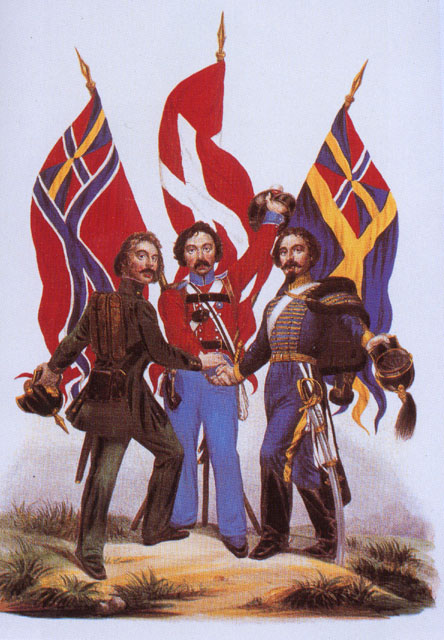
Skandinavism

A poster from the 19th century promoting unity of Scandinavia. (Source: Wikipedia)

  • Brief History of the Kalmar Union

A union between Norway, Sweden and Denmark did exist at one point during the 1400s when they all were under one monarch and these nations felt the union was needed to thwart a growing power in Germany at the time. Unfortunately differing individual interest among the nations led to a complete division by 1905.

A modern co-operation called the Nordic Council was formed after World War II and created an economic customs union and passport-free travel between the Nordic countries in the 1950s. Fast forward to now, the Nordic Council develops policy on different topics like energy and education for the Scandinavian region.

However, a modern Kalmar Union led by a unilateral consensus of the leaders of all the Nordic nations developing a respectable and/or protective alliance to counterbalance a degradation of the EU is not as straight forward as it seems. However, the current landscape yields to an optimistic perspective of such a task being taken by leaders of the north.

  • Why a Union of Unions might be better than the EU

If anybody is a student of European history, they will know that the continent is a land mass with a plethora of cultures, languages, religions with the seemingly keen interest with fighting each other. Luckily there has been “relative peace” since the Balkan Wars but there is still the tricky reality of the differences between northern, southern, western and eastern Europe.
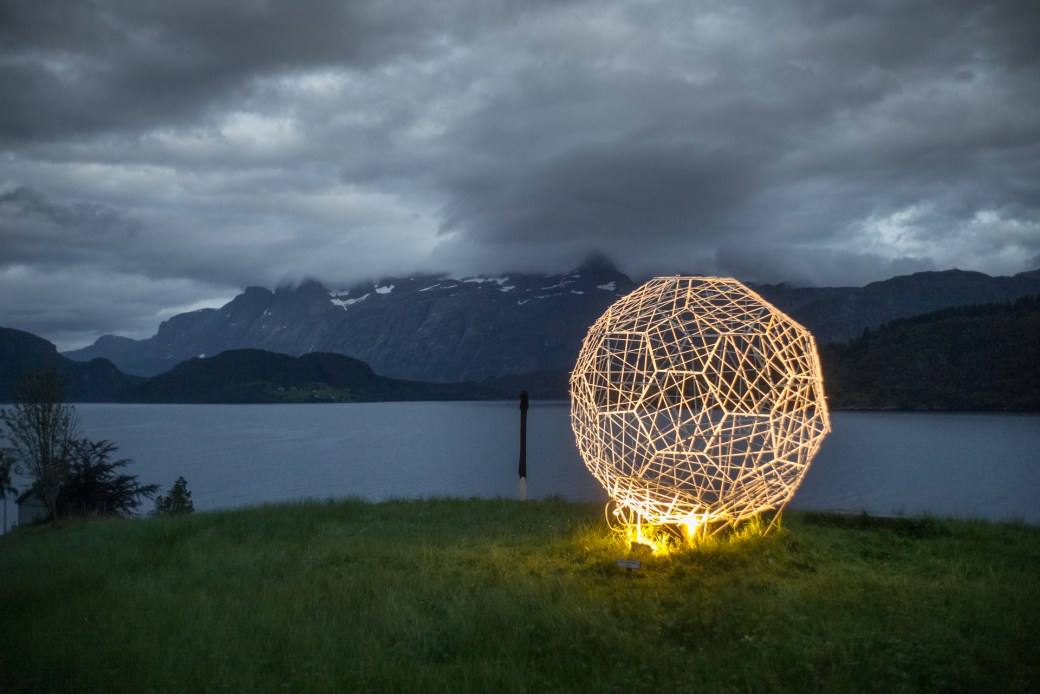
Skulptur Britt Smelvær

The beautiful “Land of the Vikings”. (Source: The Nordic Council)

  • How would it work?

To put it simply, a Nordic “EU” in most form and functionality. If you look at the current setup of the Nordic Council, you have part of the structure already in place. The Nordic Union has its own Council of Ministers (equivalent of the European Council) and general Council (Nordic European Parliament).

In my opinion, only some expansion to the current Nordic Council is needed. You need a Nordic version of the Council of the European Union to formulate a bicameral legislature. The foundation of a Nordic Supreme Court to harmonize the different national courts. Moreover, an executive branch of political and governmental leaders like the European Council and European Commission is required as well.

However, I think a central bank or currency will be the main difference between the EU and my idea of a “beefed up” Nordic Council. A basic currency agreement will create a standard and regulated exchange rate between all 5 national currencies while avoiding a similar controversy like the Euro.

  • Conclusion

Is this idea a far-fetched dream crafted in the mold of modern “Scandinavism” that is bound to not happen or fail if attempted?

Maybe.

I gave a loose layout of a Nordic mini-EU, yet with the concerning trends I mentioned bubbling up across the continent and around the world, the idea is not that far from the realm of reality and possibility. Recently a poll showed preference to a “Nordic Union” compared to the EU. Yes, Scandinavians are open to the thought of a new Kalmar Union. And yes, I agree with their sentiments. This would most certainly open up the conversation of the audacity of the north going out on their own.

The Expat Life: Taxin’ Season

The only things guaranteed in life are death and taxes.

Unfortunately for American expats, taxes is double the trouble on a yearly basis. Luckily, death is still a singular occurrence no matter where you live. I think nobody wants to experience death more than once but I digress.

But yes, American expats experience the pleasure of taxes of back home and the country of residence. The United States is one of two countries (the other being world power Eritrea) that “double tax” it’s companies and citizens. A great example of that good ole “American Exceptionalism”.

However, the recent tax bill passed by congress removed the double taxation on companies but not on citizens and green-card holders who live abroad.

Even Meghan Markle will be in the cross-hairs of the IRS every year she files taxes while living in the United Kingdom as a member of the British Royal Family.

And that is not just filing tax returns on income. Any asset you have including property, bank accounts and private or public pensions have to be reported to the IRS. This is the main area where it gets tricky as you will be wise to account for anything and everything in your name.

And that includes any assets shared between you and a non-American spouse. That is where it is most complex and Megan will have to account for that due to her future marriage to Prince Harry.

My marriage is nowhere near as high profile but I am in the same situation due to my marriage to my Swedish wife Sanna.

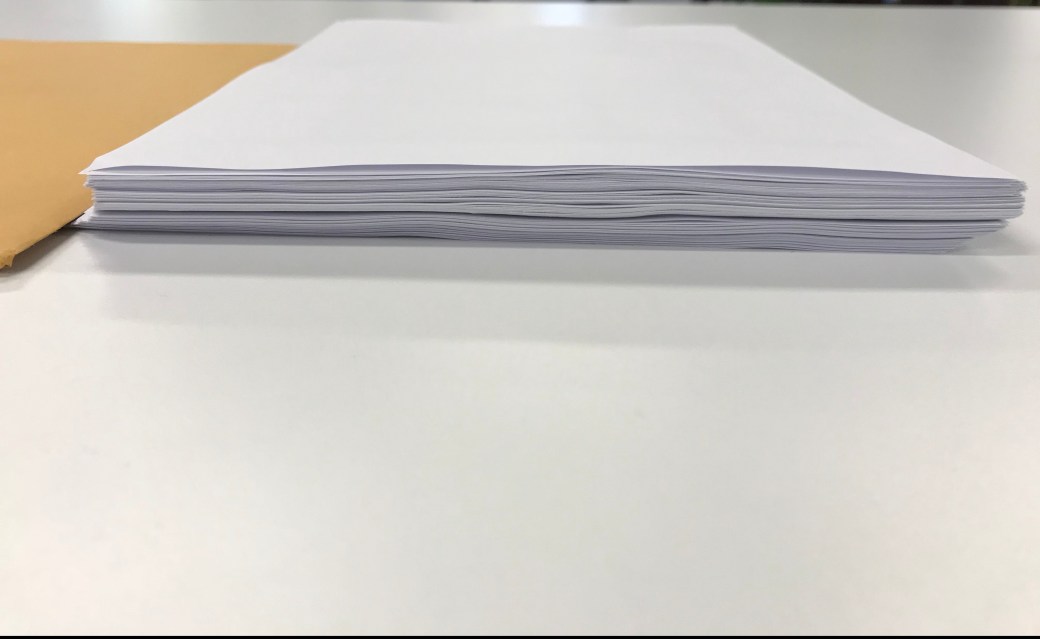
Only a few days ago I sent this year’s tax filing in the mail from here in Sydney to the designated location for tax filers abroad which is in Austin Texas. Just in shipping alone I had to spend 41 Australian Dollars (roughly 32 American Dollars) to meet my legal requirement of filing taxes for the year while also proving that I am not making enough money to owe the US Government and also disclosing every single account or asset I have outside of America to ensure Uncle Sam that I am not hiding any money Panama Papers-style.

img_1378

This was the thickness before I included records of my British bank accounts which was roughly another 20 pages.

This year’s tax filing was over 100 pages and weighed almost 1 Kilo (2 lbs) and took hours of time to make sure I did it correctly.

Meanwhile, Sanna doesn’t have to worry about the Swedish taxes and can solely focus on the Aussie tax season since her home country and it’s tax law has a lot more sense than mine.

The question though is why. I have asked my self a few times while I make sure I have a copy of every single payslip from the previous year since the idea of a W-2 is foreign to foreign countries. Since most countries do the calculating for you, all you need to do is make sure the government got the math correct. It’s called return-free filing but I will get to that a little later.

I have learned the expat filing process the hard way through trial and error, and a lot research online. Some people go to accountants, but I stubbornly refuse to due to the principle of not paying someone to file my taxes to prove that I don’t make enough money to pay taxes back home. I can prove that fact by myself. Maybe when I become a millionaire/billionaire (or even a hundred thousandnaire), I will consider paying a third party to either make sure I pay my fair share to the US Treasury or make sure I don’t pay a dime (once again, Panama Papers-style).

Back to the why. Why does the US Government including Congress (creator of the current laws) and the Treasury (enforcer of the laws) have such a desire to waste everybody’s time including their own? Based on the news of the IRS website crashing on tax day, maybe information technology should be a higher priority than a few million expats, many of whom mostly are not making outrageous incomes and/or trying to hide vast amounts of valuable assets.

This is not a good look.

Again, why though?

To not lose out on much needed tax income?

To ensure Americans are not hiding hoards of money off-shore at a Swiss, Cayman or Bahamian bank account?

To keep all Americans on the grid?

Or all of the above?

I really haven’t found a complete answer. I am curious of the past and current reasons for the US being the only “developed” nation to double tax its citizens. America is considered a “developed” or “advanced” nation but examples like our antiquated tax policy reminds us that we are not as developed as we would think.

I do have a solution of my own. How about expats be valued like American corporations and eliminate double taxation? If that is not a motivation, then how about join the rest of the world in regards to common sense income tax law.
If you are concerned about lost tax revenue and you rely on 10 million American expats to fill the gap, then I suggest you actually take a closer look at the current tax code and maybe raise taxes instead of the current slashing of corporate and high income tax. Just an idea.

In regards to the disclosure of any off shore financial holdings, the sheer consumption of time and energy needed for this exercise actually incentives secrecy more than anything else. Instead, the IRS should focus on countries and/or companies (including banks specifically like HSBC) they believe, and have been proven, to have assisted Americans both in the US and abroad who actually practiced different forms of tax evasion and/or fraud.

Now back to the whole process of filing taxes in general. I will safely assume an easy majority of Americans both home and away can agree that the government can and should do the taxes for us.

I only foresee a strange fringe section of people who think letting the government do their taxes is surrendering control to the big bad government. Or they make money off of the third party filing companies like TurboTax. Or they really really like filling out forms.

However, I think most people would rather go with the idea of return-free filing. I think Adam does a great job at blowing a hole in the current status quo and lay out the reasons for considering such a filling system.

Yes, it can be that easy. I live in Sydney and the experience of doing taxes here and doing taxes for home are night and day. It might sound like a hyperbole, but filing taxes for the US while abroad can be months in the making. Especially if you forget to constantly make copies of important documents and you realize later that you need them and thus forced to frantically backtrack and locate your vital missing paperwork.

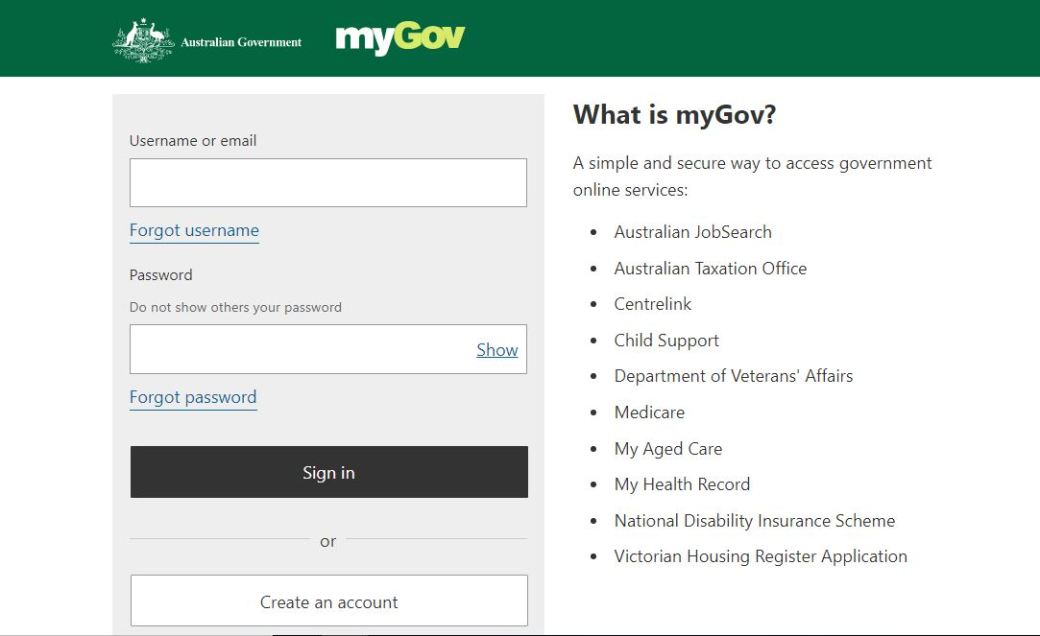
MyGov

Meanwhile, filing my taxes (or lodging your taxes as it’s referred to here in Australia) took me no more than 30 minutes which most of that time was me learning the Australian Tax Office website and process of lodging my taxes via the MyGov website. Also, the whole thing was done online with the option to print stuff off for your own records.

I have written different people of congress about the elimination of double taxing and/or the need to consider improving the process of filing taxes in general but my words of persuasion has gone unheard.

Even if you disagree with me on how we can make the procedure of filing taxes better, I surely believe you agree with the fact that we need to modernize our tax system.

Kiwi Byrds: Hanmer Springs and Christchurch

Soreness. Stiffness. Dead legs.

That would be sufficient terms to describe the state of mine and my wife’s legs after our long hike the day before.

We slowly got out of bed and meandered into Greymouth. We had a great breakfast at Maggie’s Kitchen where we got a homestyle breakfast and I had the french toast with bacon while Sanna had pancakes.

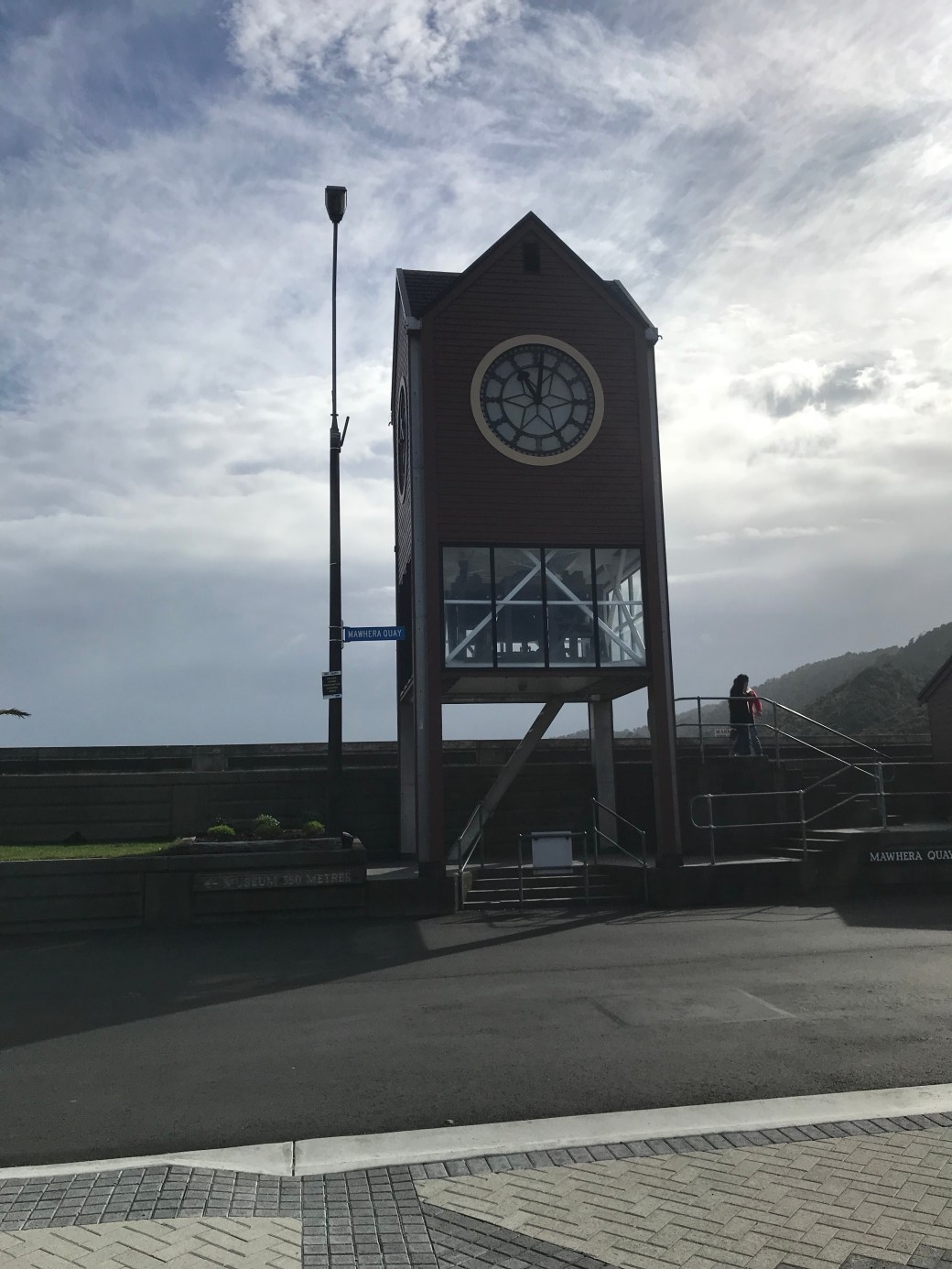
After that we walked around downtown Greymouth which included a look around the seawall and the old Greymouth Clock Tower.

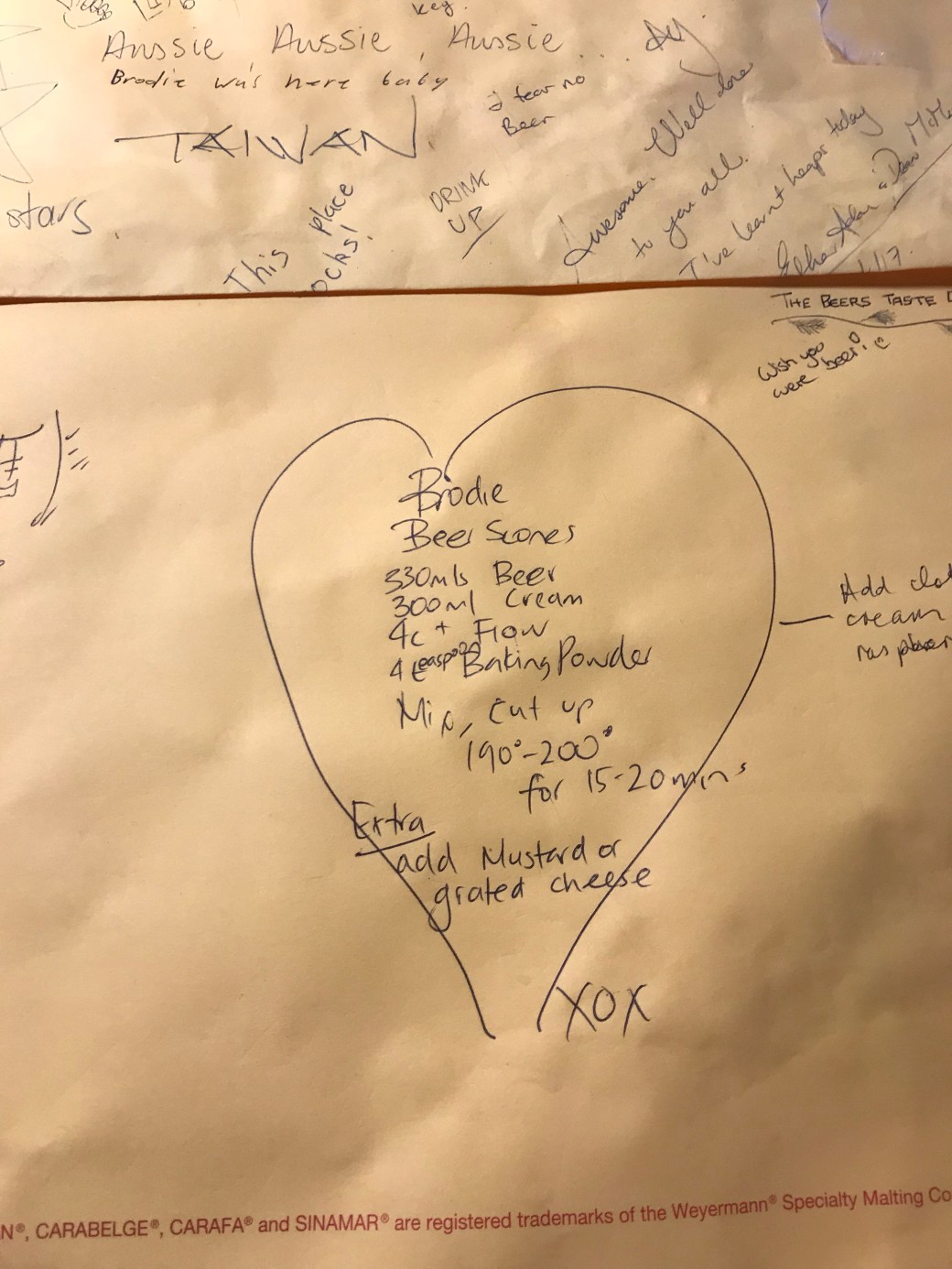
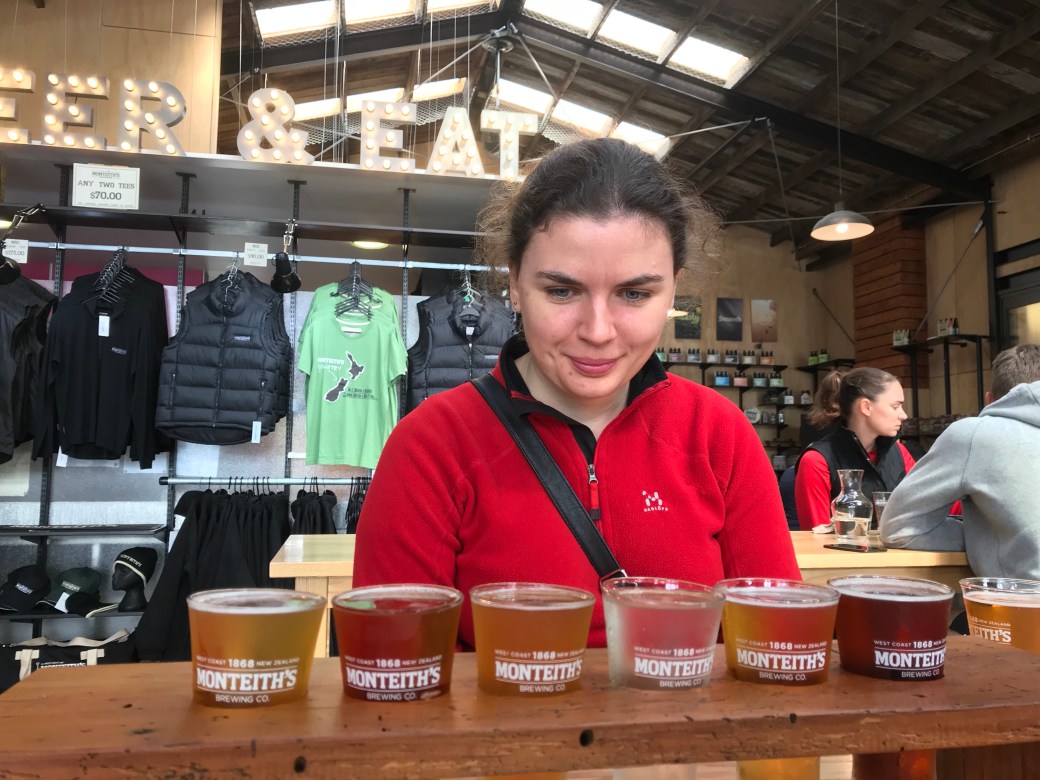
Another attraction of Greymouth is Monteith’s Brewery Company which is headquartered in Greymouth and represents the beer scene on the west coast of South Island.

For my valiant efforts the day before with the hike up Roberts Point, Sanna surprised me with a tour of the brewery and a beer tasting session.

To be totally honest, I am not the biggest beer drinker nor will I ever say I am a beer connoisseur. However, I am nerd and any chance learn about the process of anything let alone get insight into production, logistics and history of a company, I am game. So the tour was interesting and enlightening to say the least.

Sanna and I indulged ourselves with 6 different beers produced by Monteith’s including an American Pale Ale that was pretty nice. But, I think the highlight of the whole experience was that Sanna discovered a beer that she actually likes and can imagine herself ordering if she remotely had a taste for beer. For the record, that beer was called “The Radler“.

Since I did the drinking, I let Sanna do the driving. From Greymouth we drove across the island and stopped in Hanmer Springs.

Other than Milford Sound, the another attraction we highlighted while planning for New Zealand was the thermal springs in Hanmer Springs. Frankly we modified the itinerary to ensure we stopped there.

We arrived in Hanmer Springs in the early evening and after we quickly checked into our hotel and walked (in a stiff and slightly painful manner) to the nearby hot springs.

We went to the hot springs because we have never experienced them. The other godsend about our decision to stop and check out the hot springs was that we were so sore from the previous day’s hike, the relaxing evening at the hot springs took on a therapeutic feel.

The next day we had a nice breakfast before we casually drove to Christchurch where we found our hotel and returned our rental car at the Christchurch Airport.

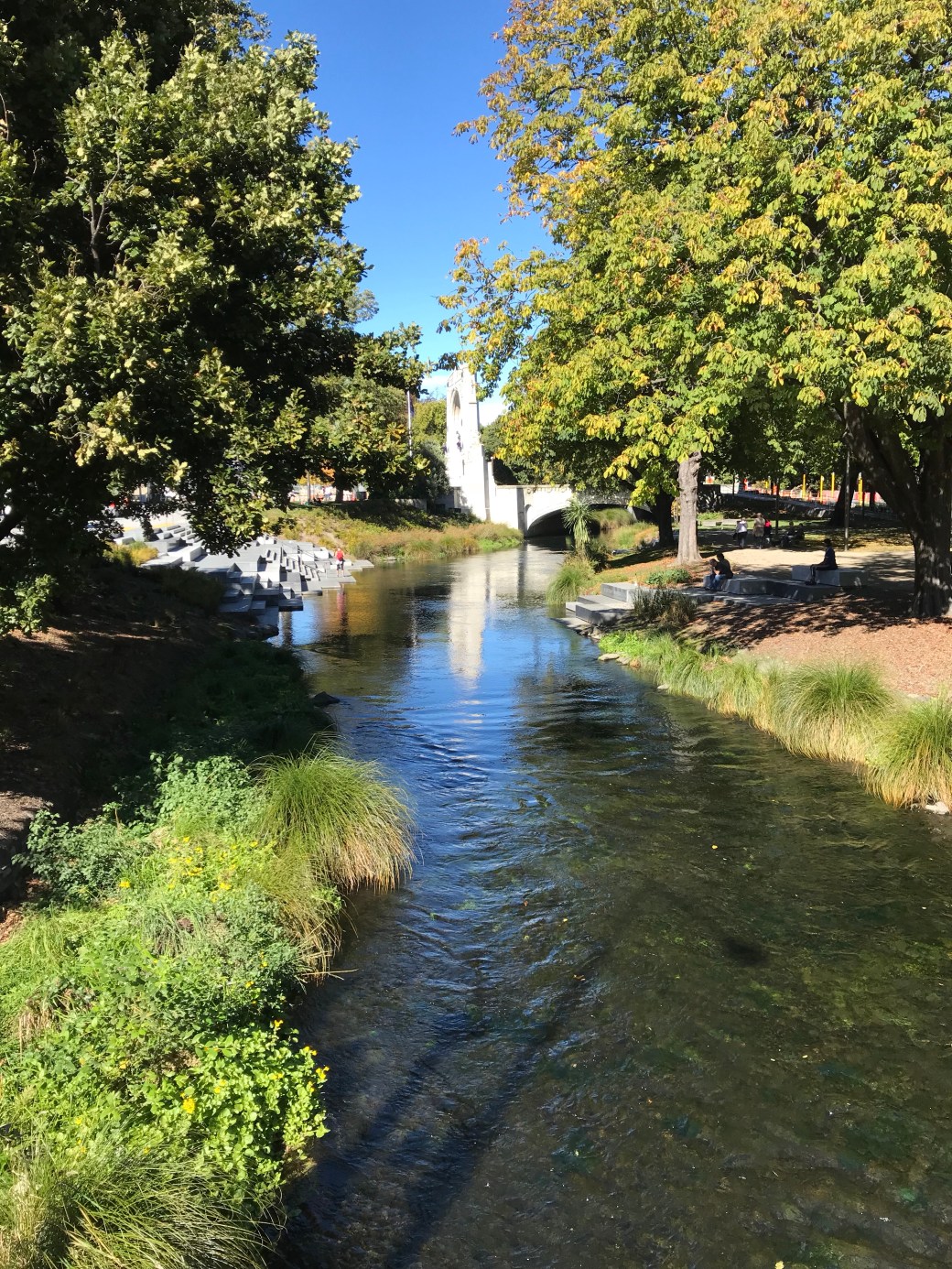
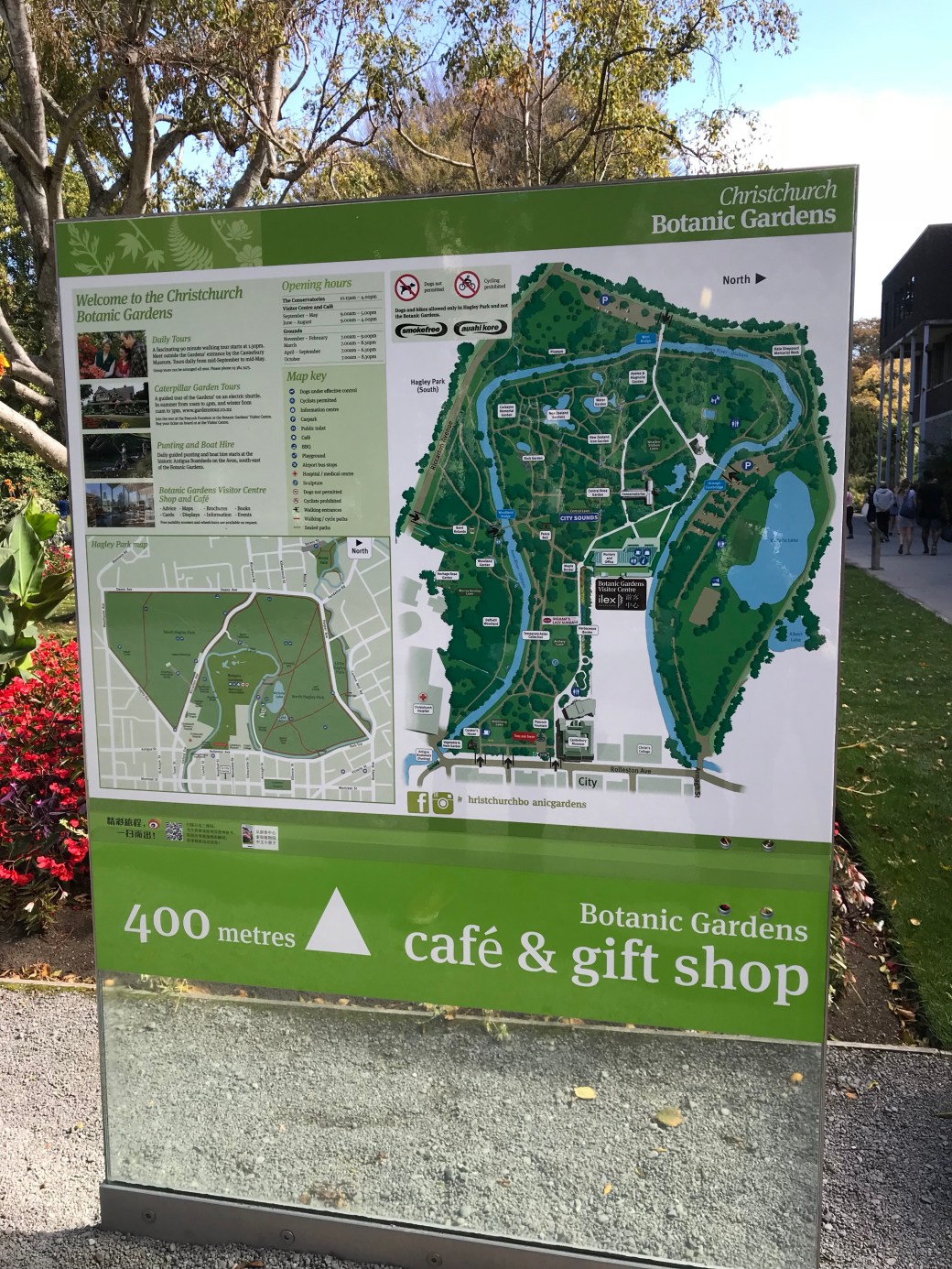
Luckily our hotel was in a central Christchurch and made it easy for us to stroll around. We didn’t have any set schedule. We just explored around town. We purchased gifts for the kids including our newborn nephew Theo. Also, I did my obligatory postcards and sent them out to family and friends.
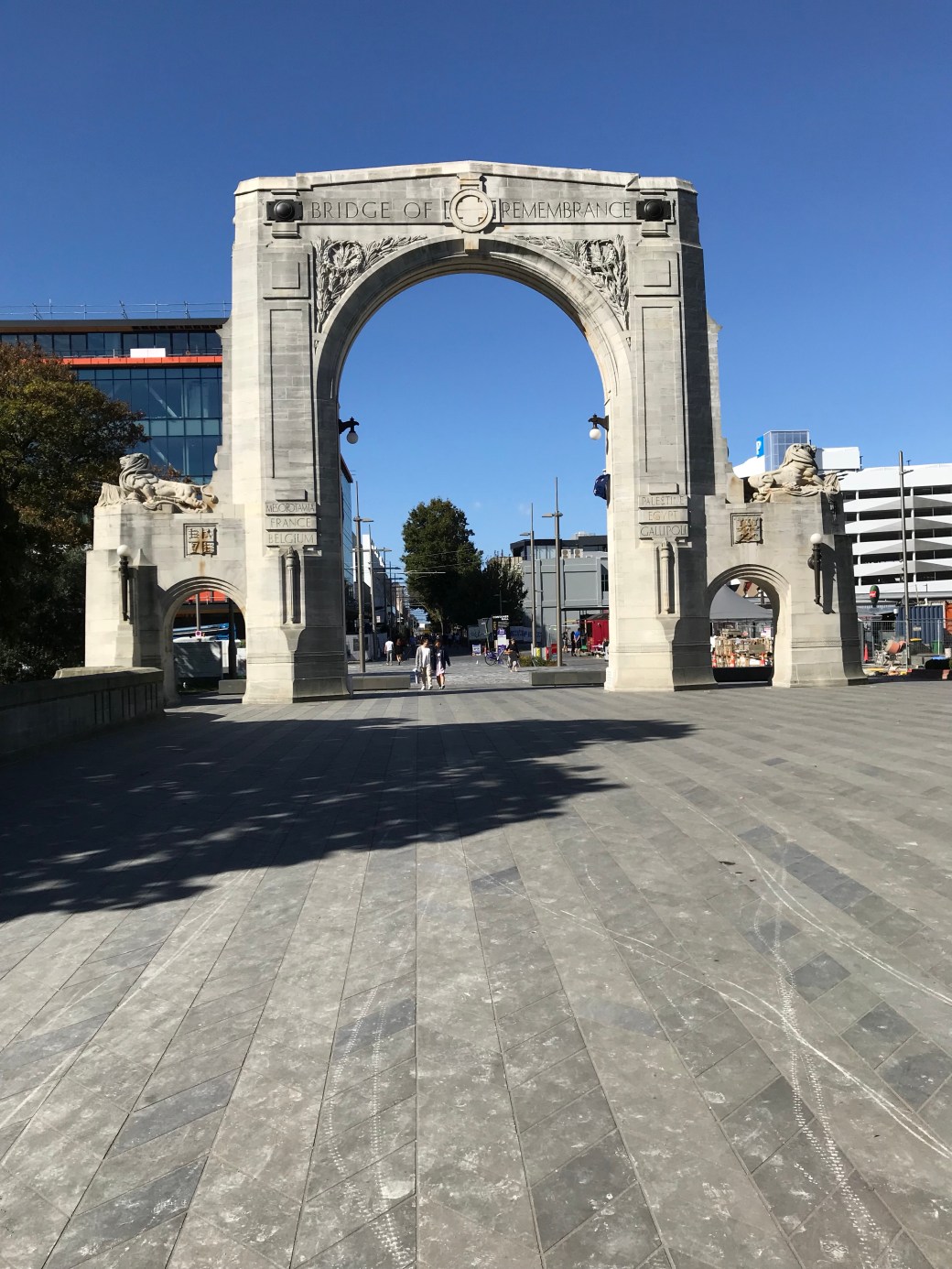
One observation Sanna and I made about Christchurch is that the city is still recovering and rebuilding after the severe earthquakes that hit the city in 2010 and 2016. The most emblematic example of the earthquake damage is the Christchurch Cathedral which still stands in disrepair.

Otherwise, Christchurch gives us the feeling of a hipster and artistic city and gave a nice atmosphere.

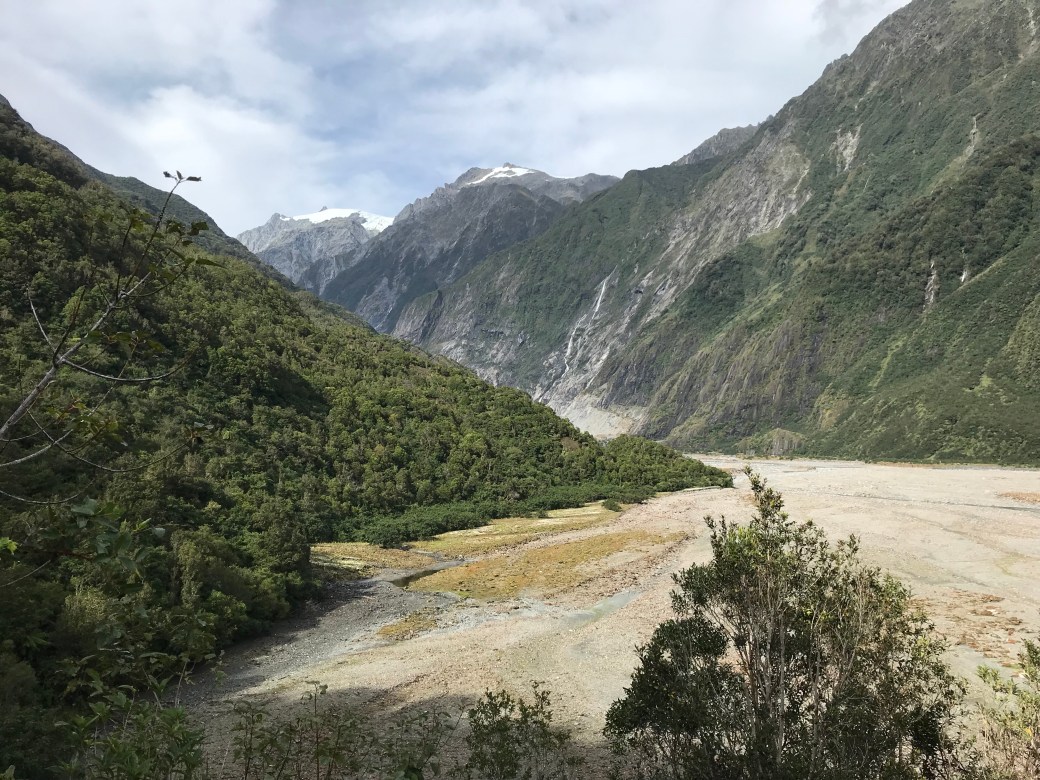
In Summation, New Zealand and South Island to be specific is simply magical. You can literally drive pretty much any stretch of road and find a picturesque environment. New Zealand feels clean and fresh as simple as it sounds. South Island is wild and mostly untouched. Probably due to the rough and mountainous terrain of the island. I suggest, if you can, take a good chunk of time, get a car and just drive and enjoy the view.

Top things I learned from South Island.

  1. One way bridges can be tricky
  2. There is sheep. Everywhere
  3. Fergburger is worth it. Get Fergburger in your life. Full stop.
  4. Take a cruise while at Milford Sound. Plus stay dry
  5. Kill possums and buy the fur by products to support the conservation of natural kiwi birds
  6. Hanmer Springs is nice but the food is very expensive for what it is
  7. Rugby runs through the blood of New Zealand
  8. Don’t drive crazy around the turns in the mountains unless you want to test your fate (and car)


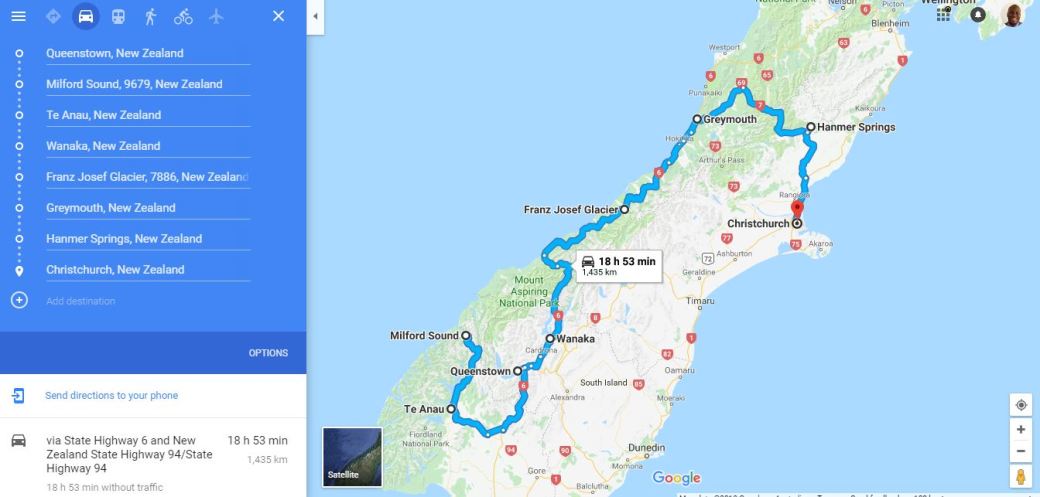
NZ Trip Map

Kiwi Byrds: Lake Wanaka and Franz Josef Glacier

We woke up in Te Anau after an amazing cruise around Milford Sound. Today would be a lot of driving as we travel up to Franz Josef Glacier. We had an idea that even though we won’t really stop anywhere, there should be an abundance of picturesque views on on this drive to Glacier Country.

We got up and got breakfast before we got in the car, synced up our podcasts plus the most diverse road trip play list you can think of, and hit the road.

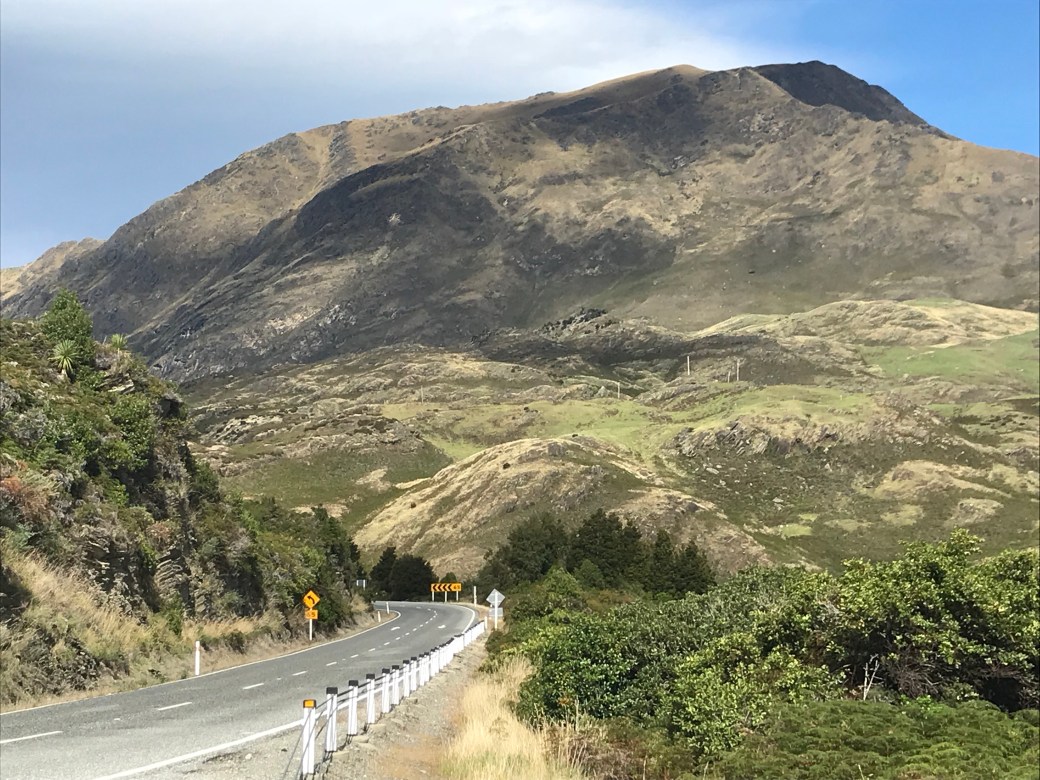
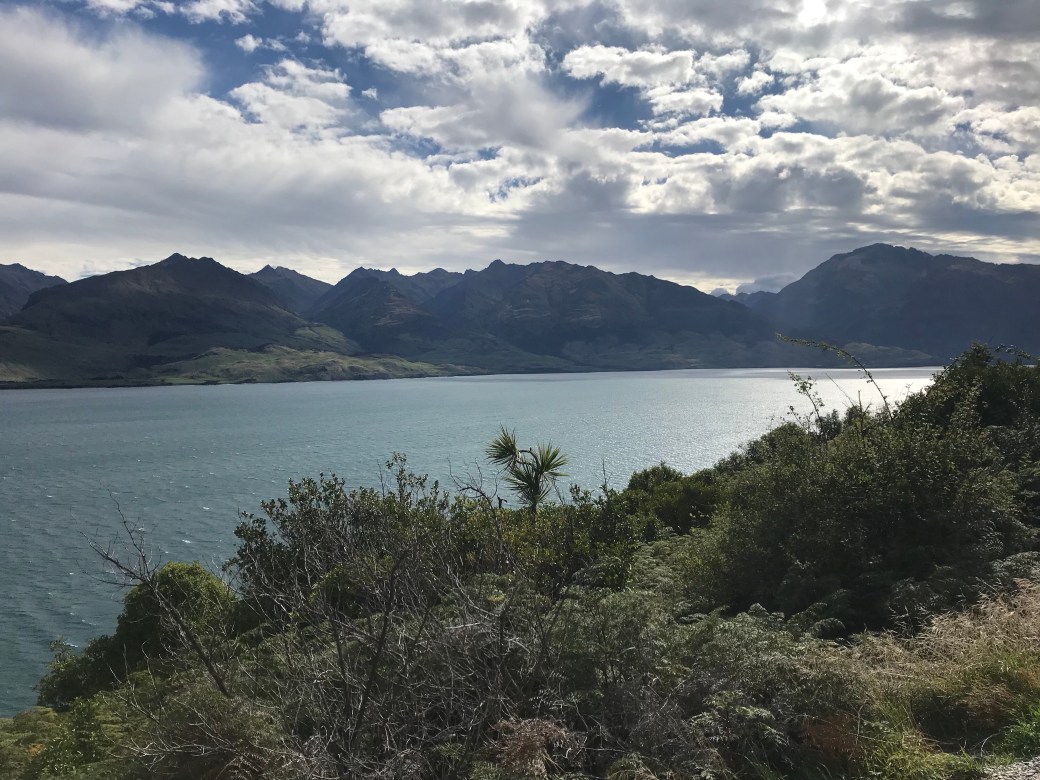
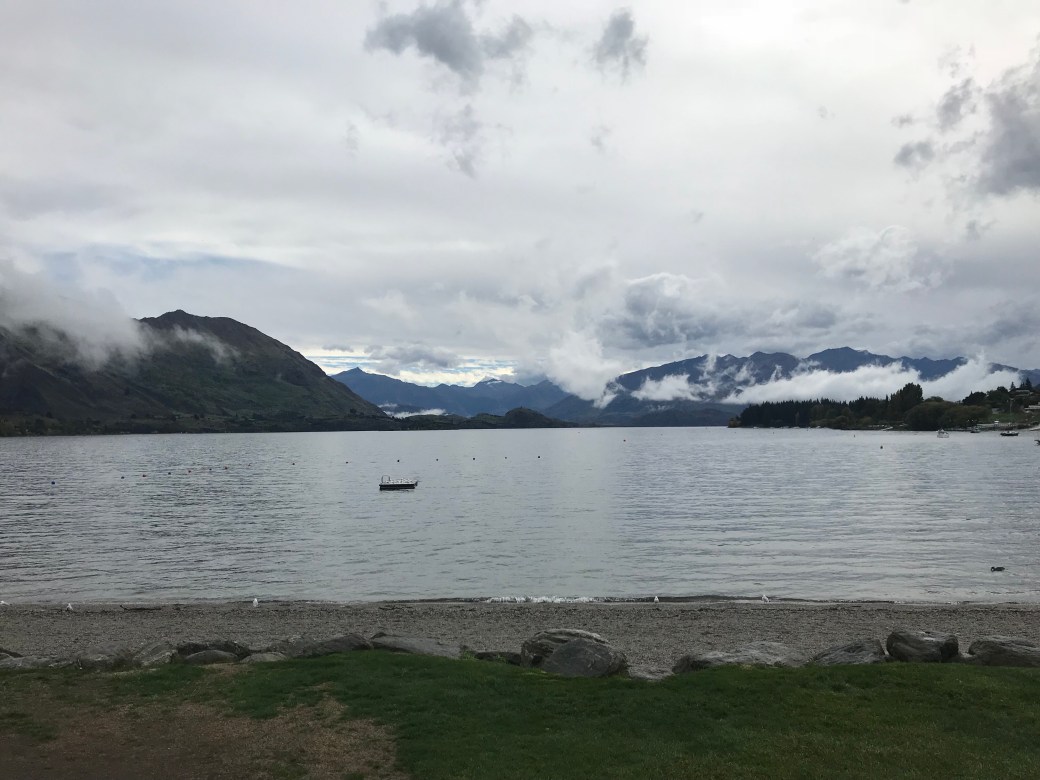
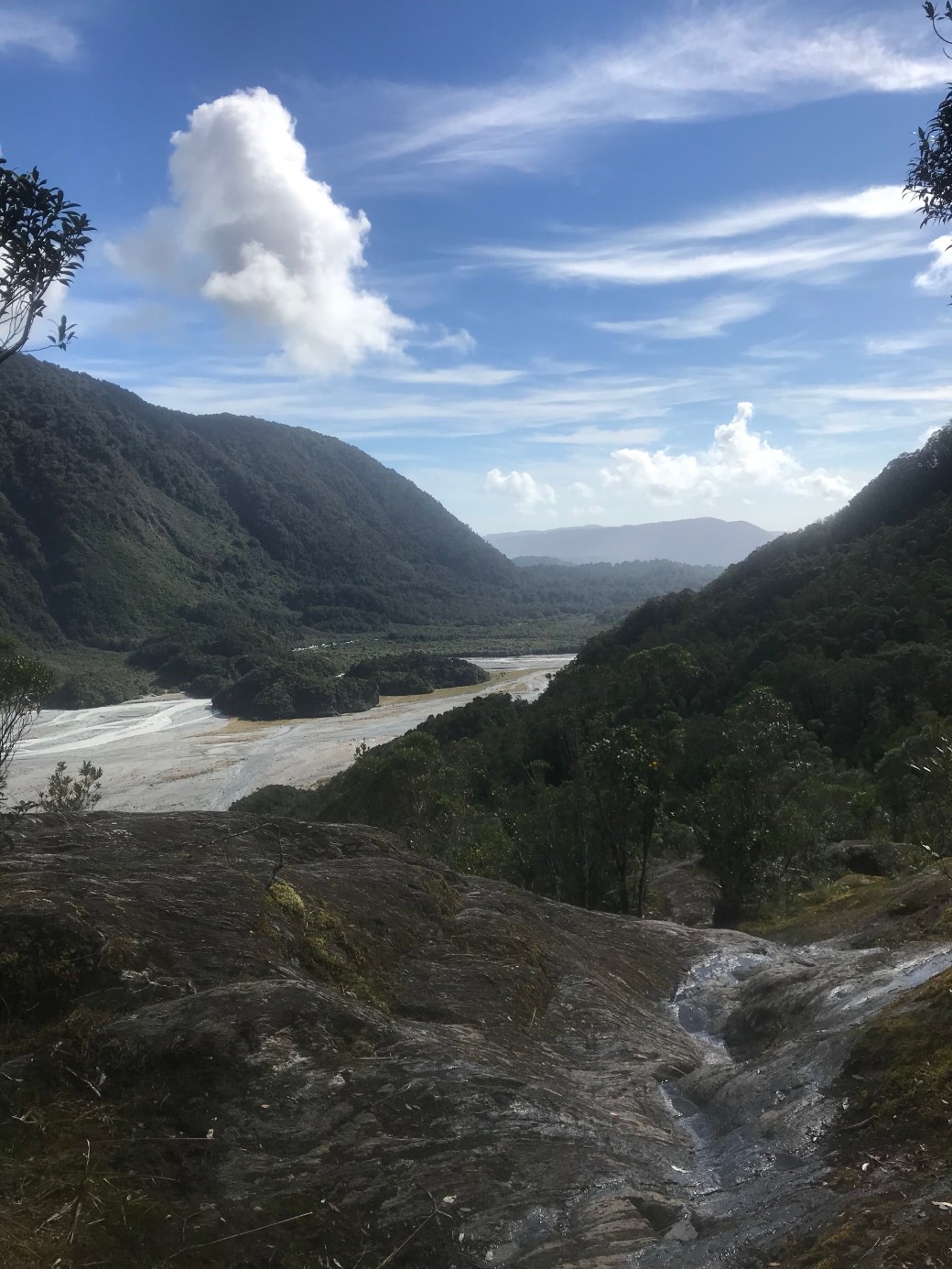
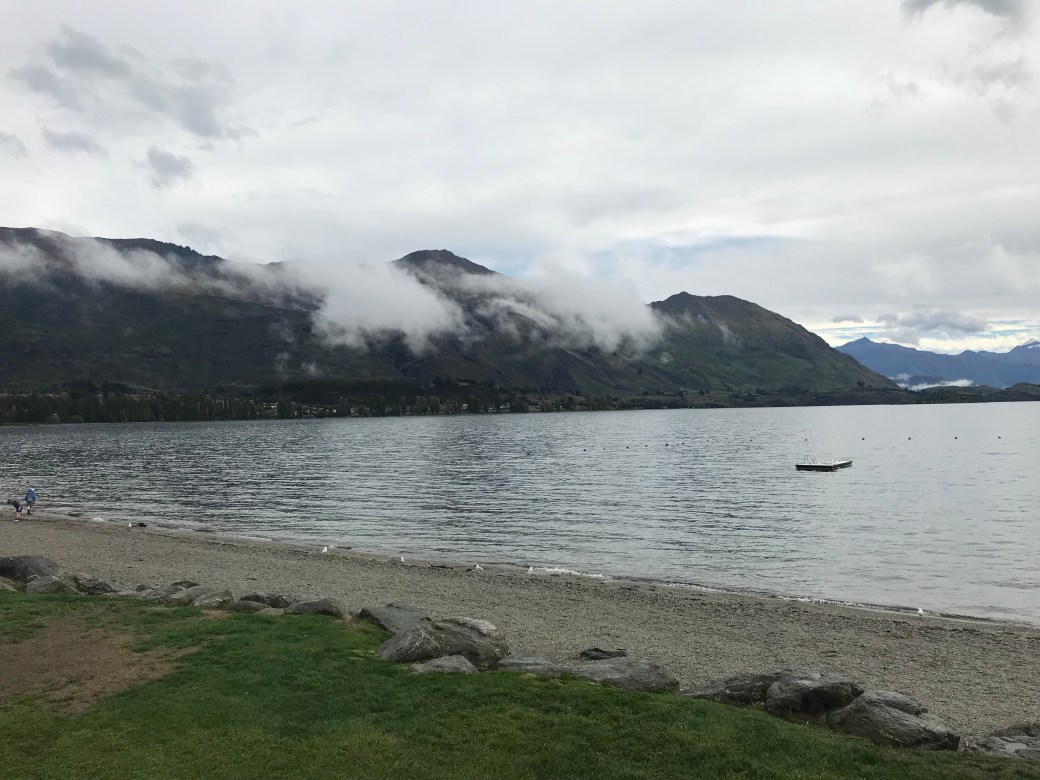
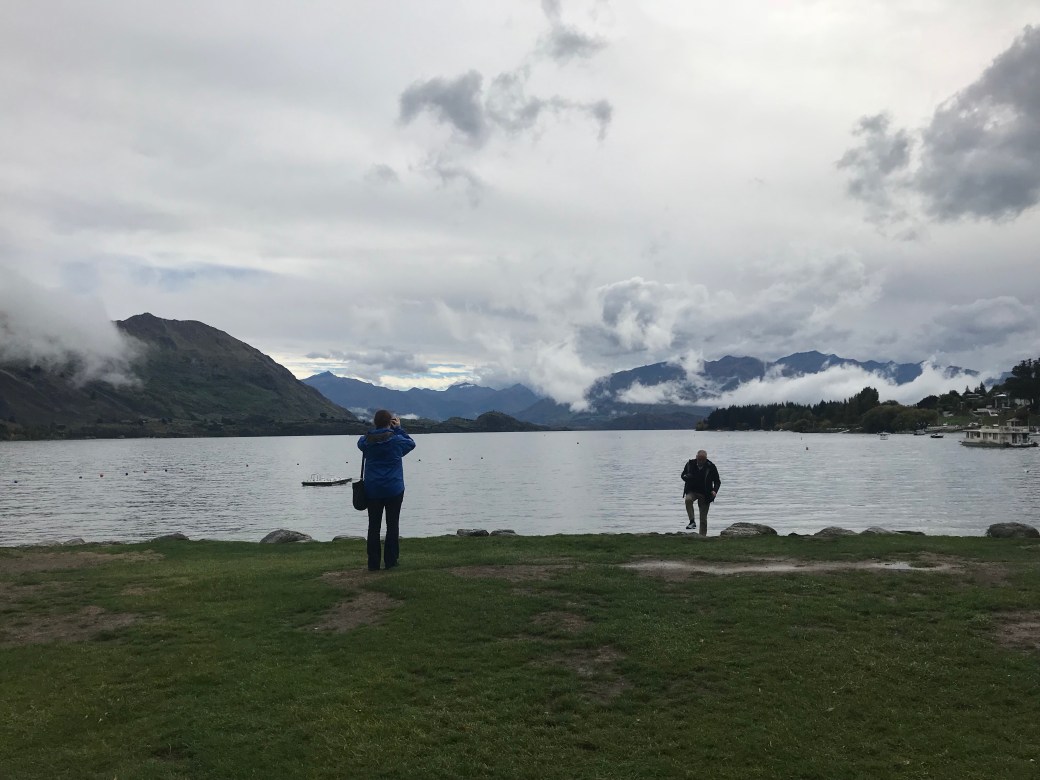
Like I said, more driving than stopping this day, but from the pictures, you will see that pictures does all of talking at this point. We did stop at Lake Wanaka for lunch and stroll around the lake that gives the town its name before continuing the migration to the west coast of the South Island and heading north.

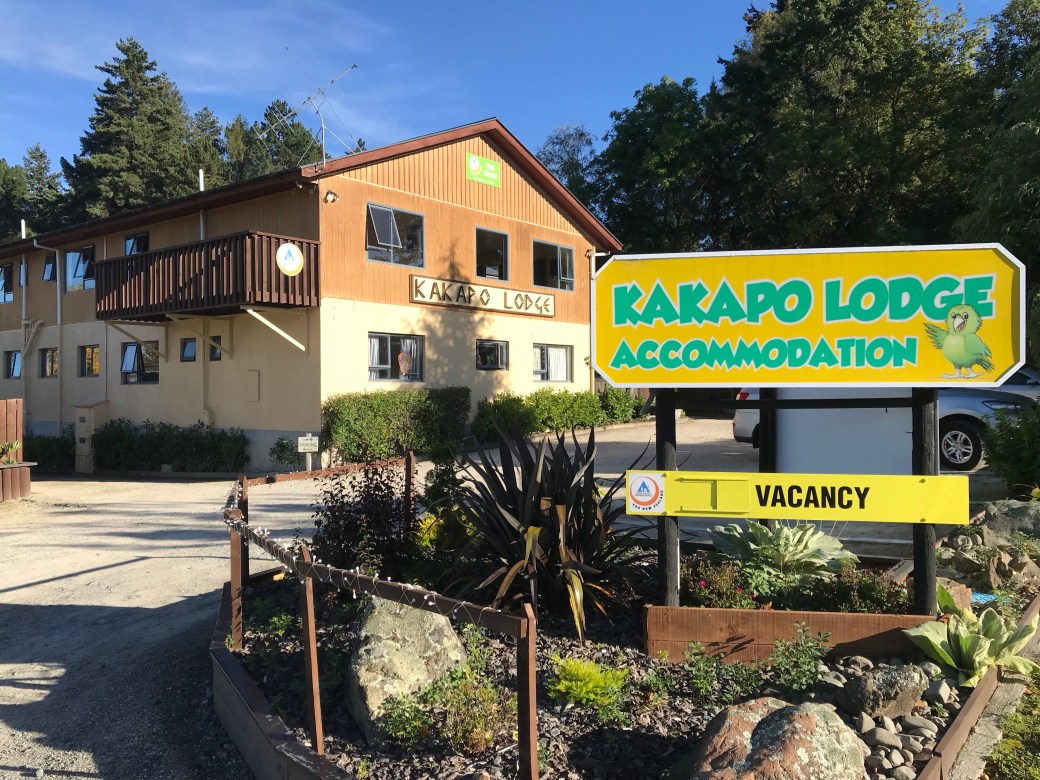
We made it to Glacier Country after dark and arrived into the small town named after the Franz Josef Glacier where we quickly checked into our hostel room and had dinner. We called it a night as soon as possible as we knew tomorrow would be an eventful day in more ways than one.

We woke up and knew today was important.

The main reason is that today, March 28, is our fourth year wedding anniversary. So, you know what that means…..

That classic will be played a few times throughout the day.

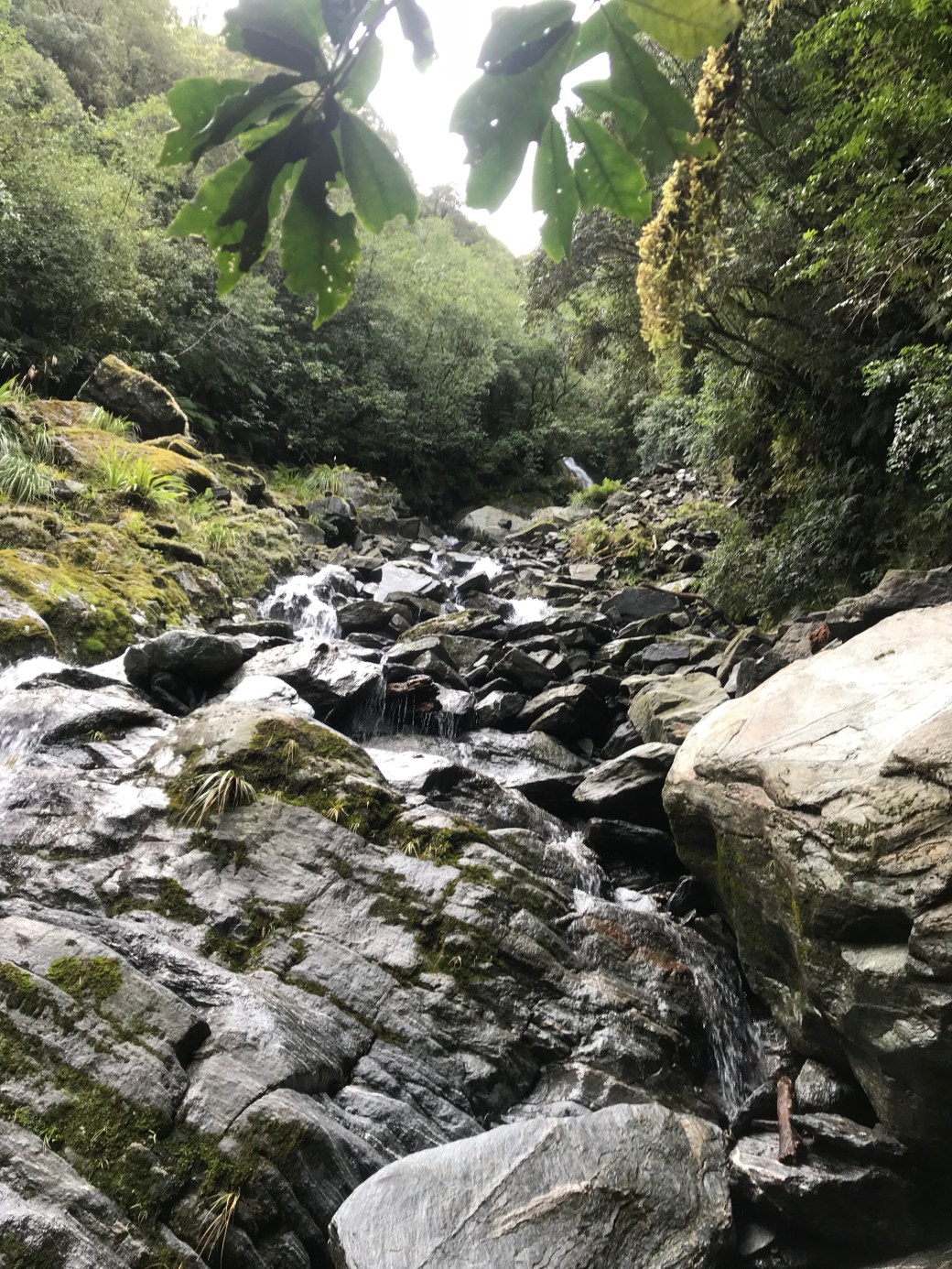
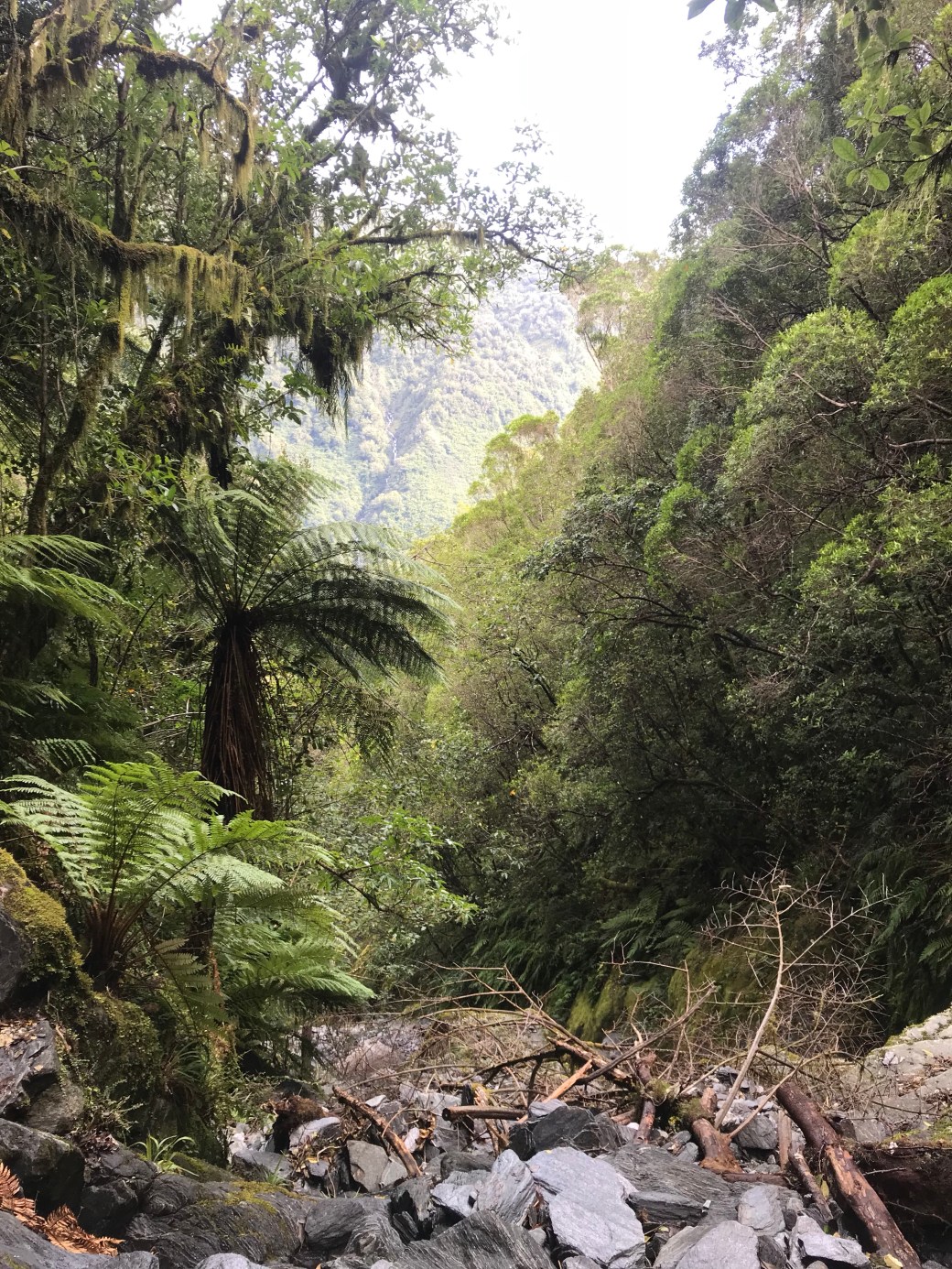
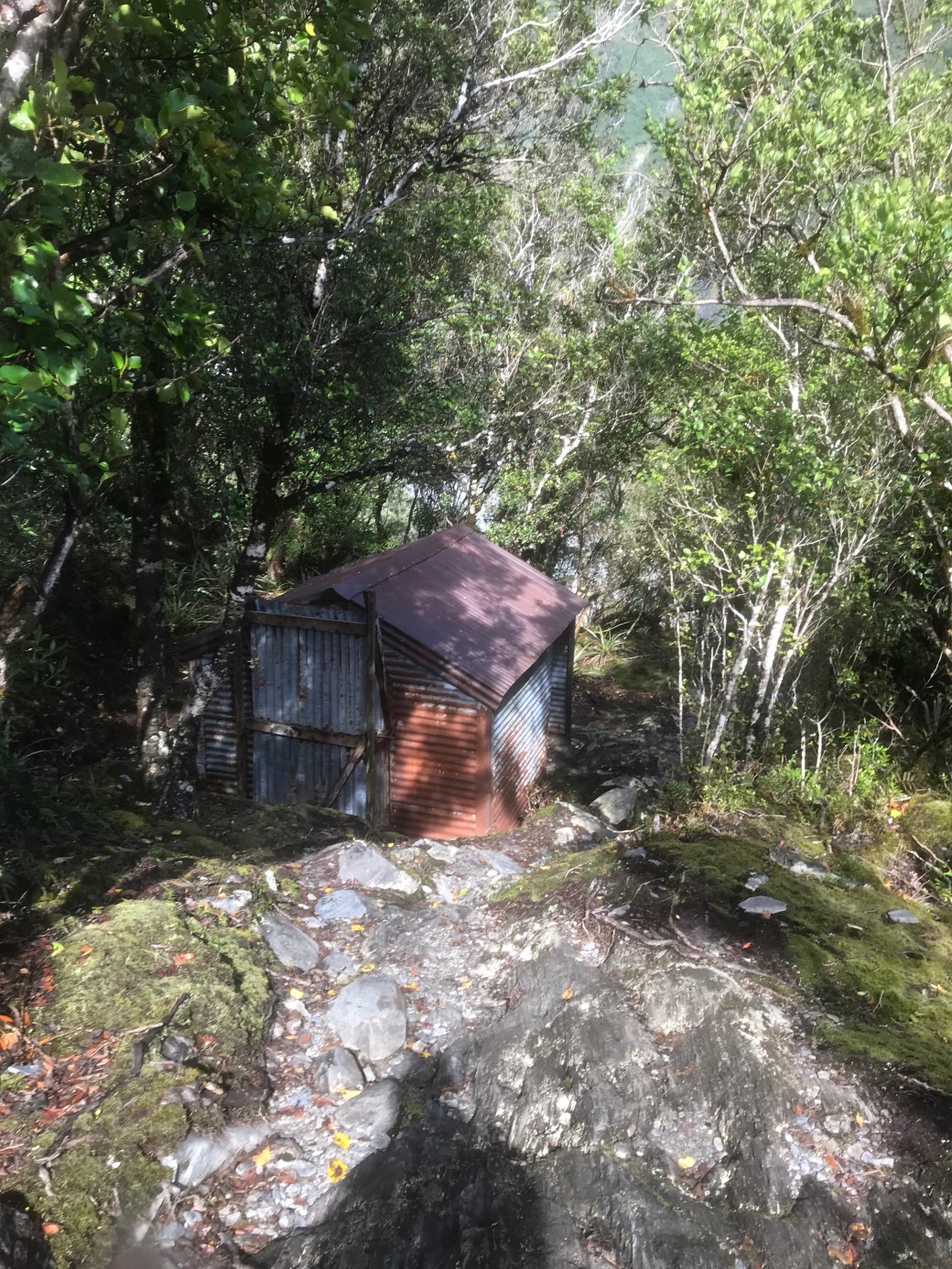
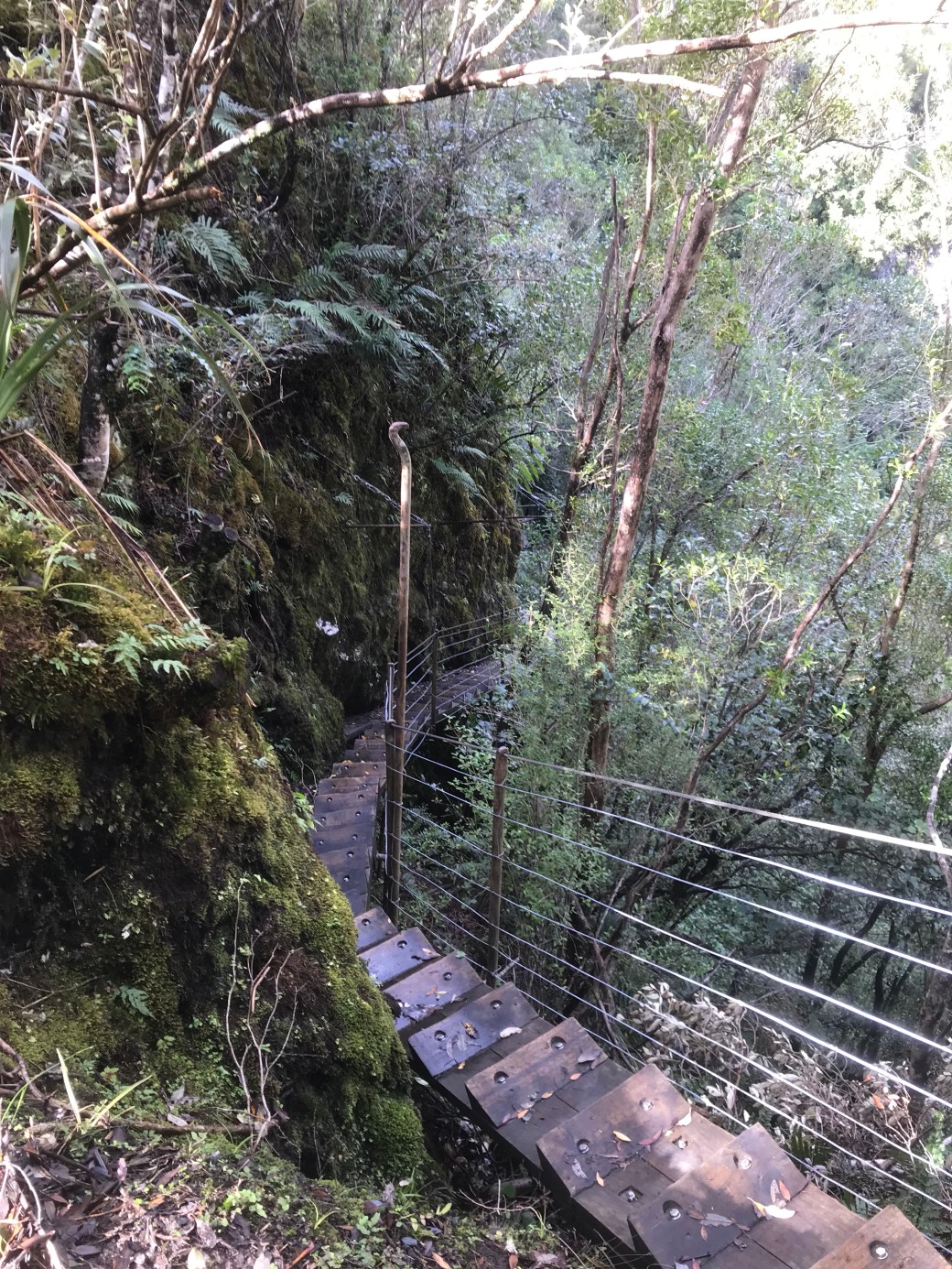
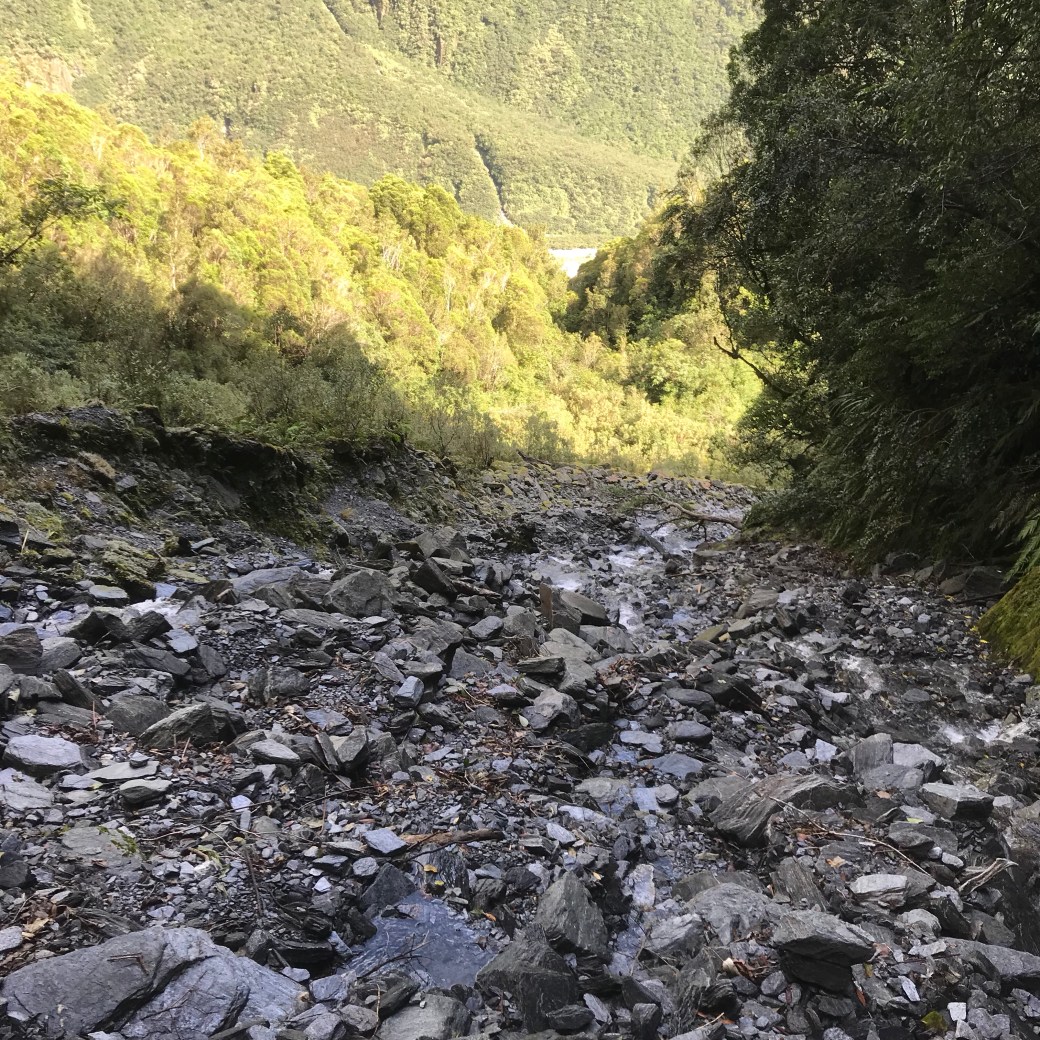
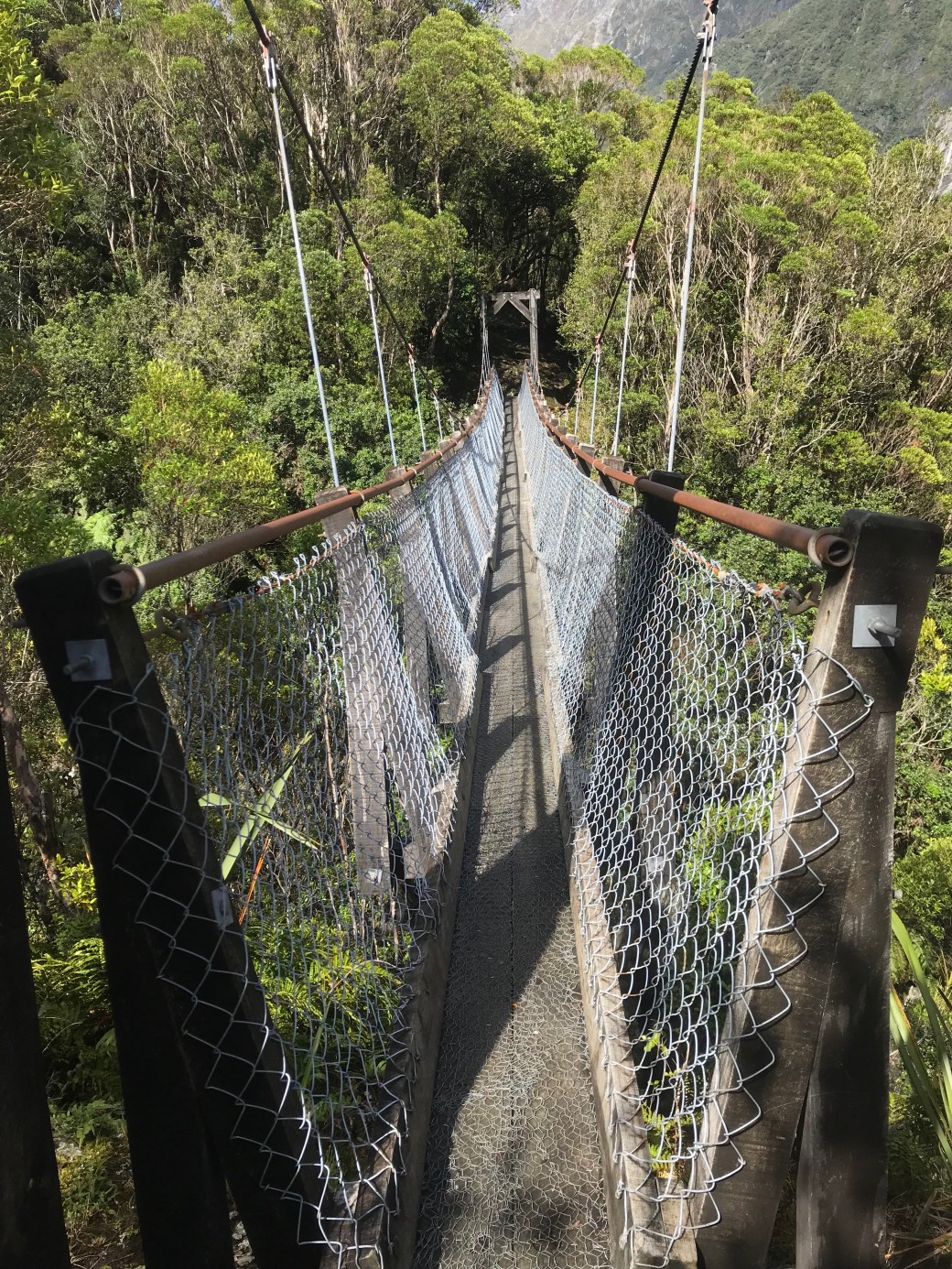
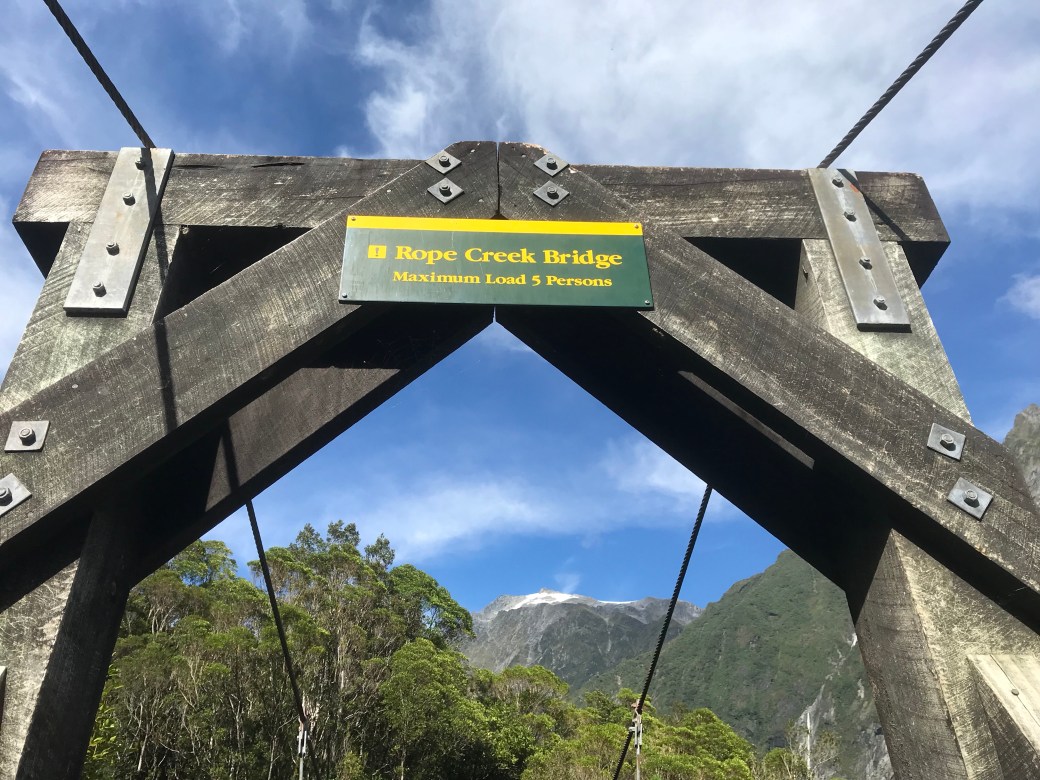
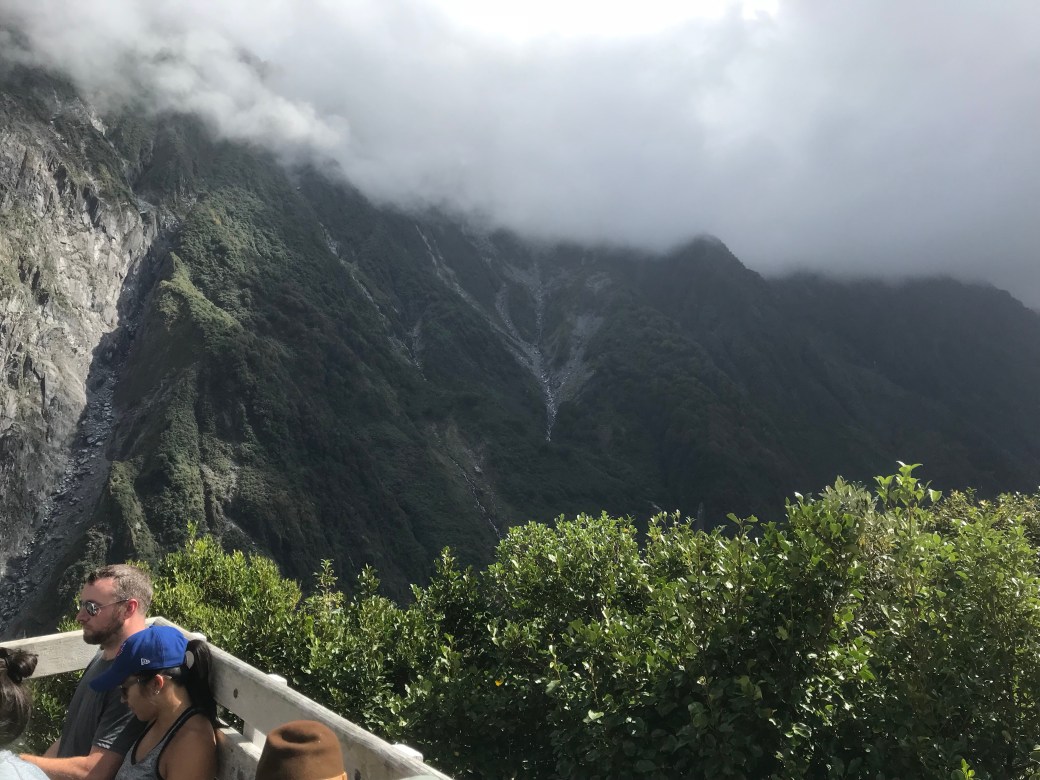
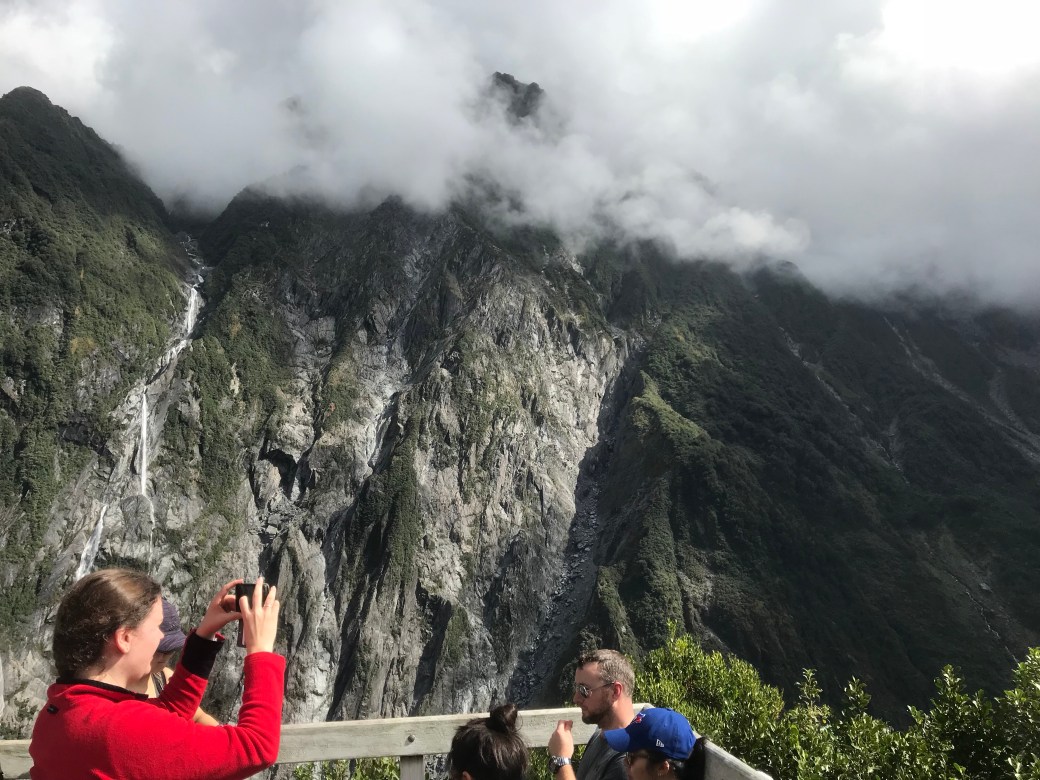
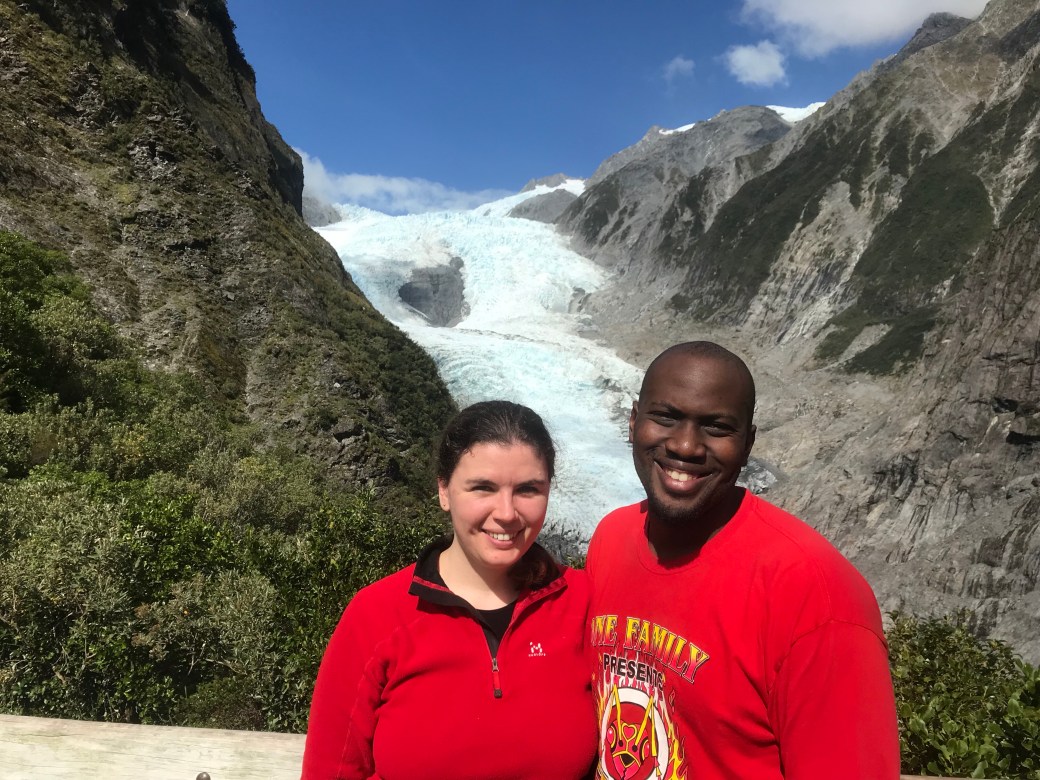
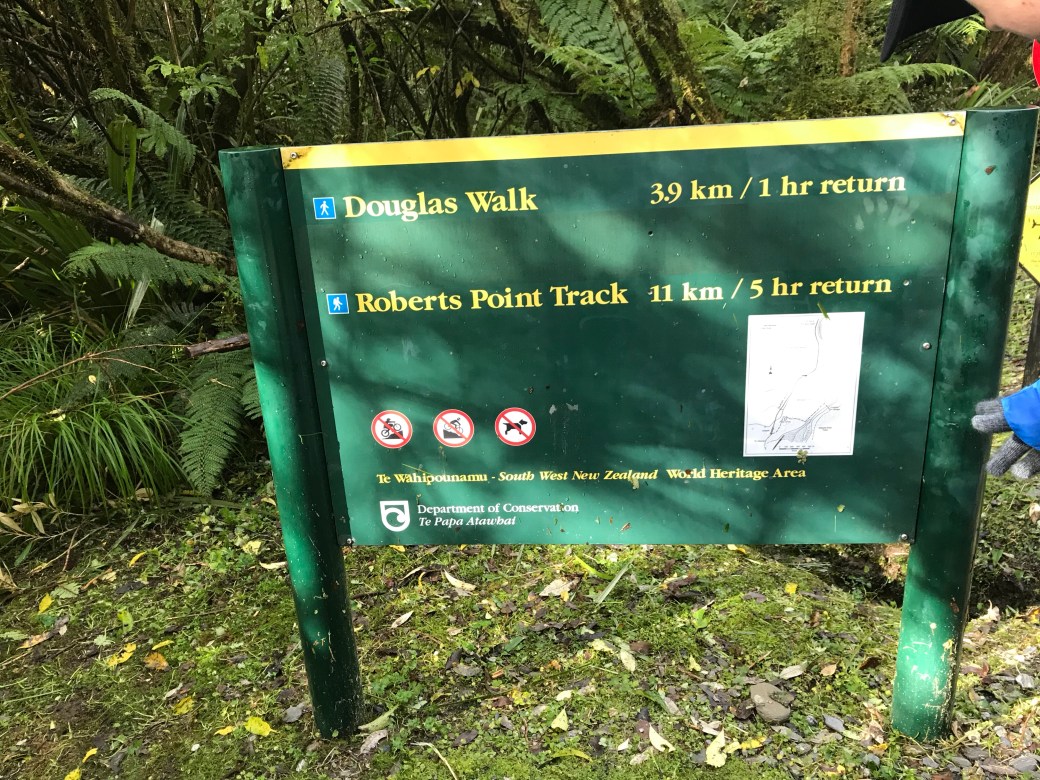
Another reason, was that Sanna and I would hike for 11 kilometers and go up over 600 meters to get a good view of Franz Josef Glacier.

Sanna and I have learned already that we are sometimes foolishly stubborn. Our excursion up to Roberts Point on our anniversary would be an excellent example of this self assessment.

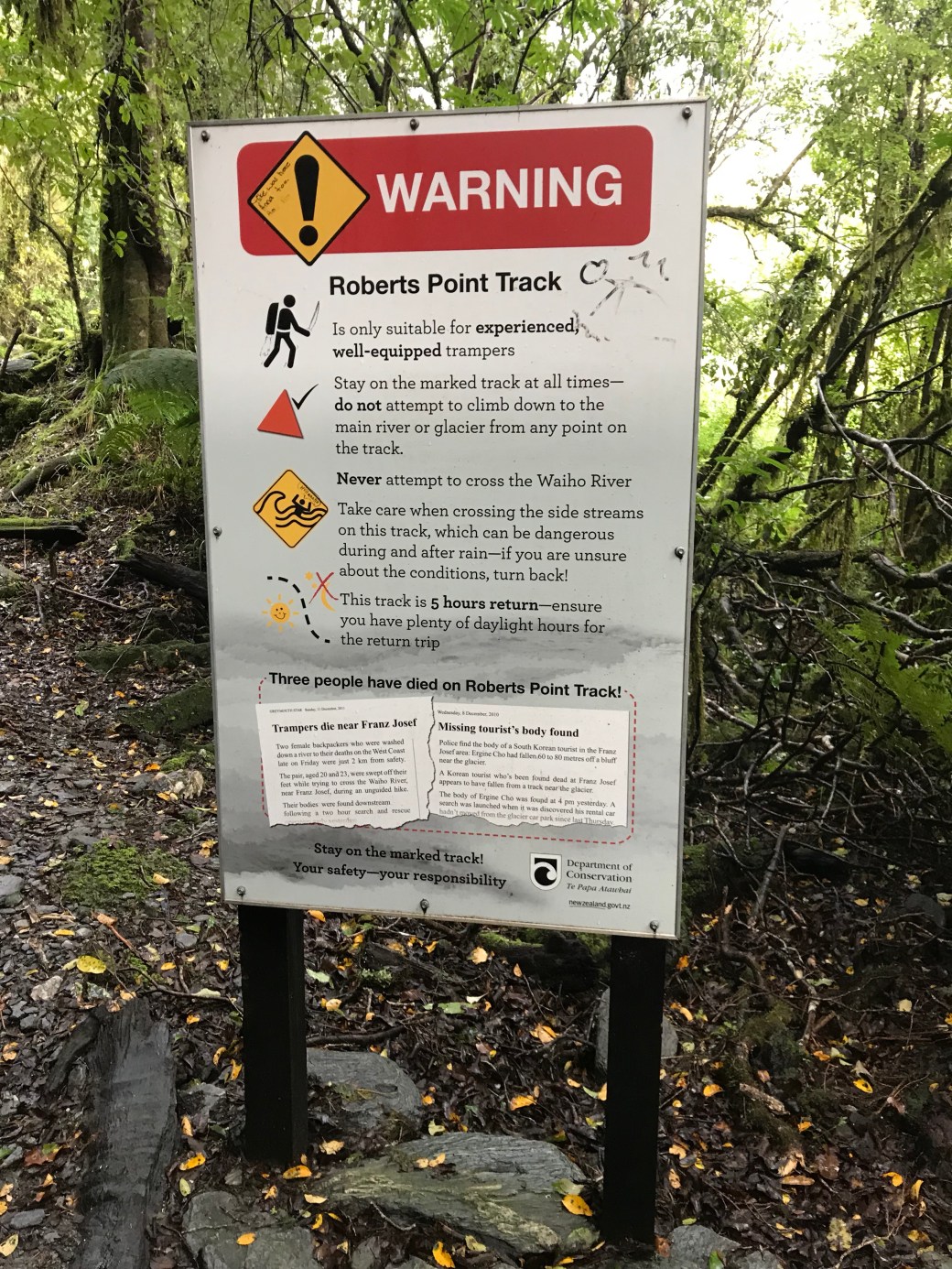
The Roberts Point trail was hailed and warned as a trail for “experienced” and “mature” hikers. We thought to ourselves, well we have hiked before and we consider ourselves pretty mature and experienced so we should have no trouble with this trail.

Boy we were in for a rude awakening. The estimated return time for this hike was 5 hours. We did it in 7 hours. 7 hours due to the amount times we had to stop because we were either exhausted on the way up or experiencing muscle cramps and spasms on the way back down.
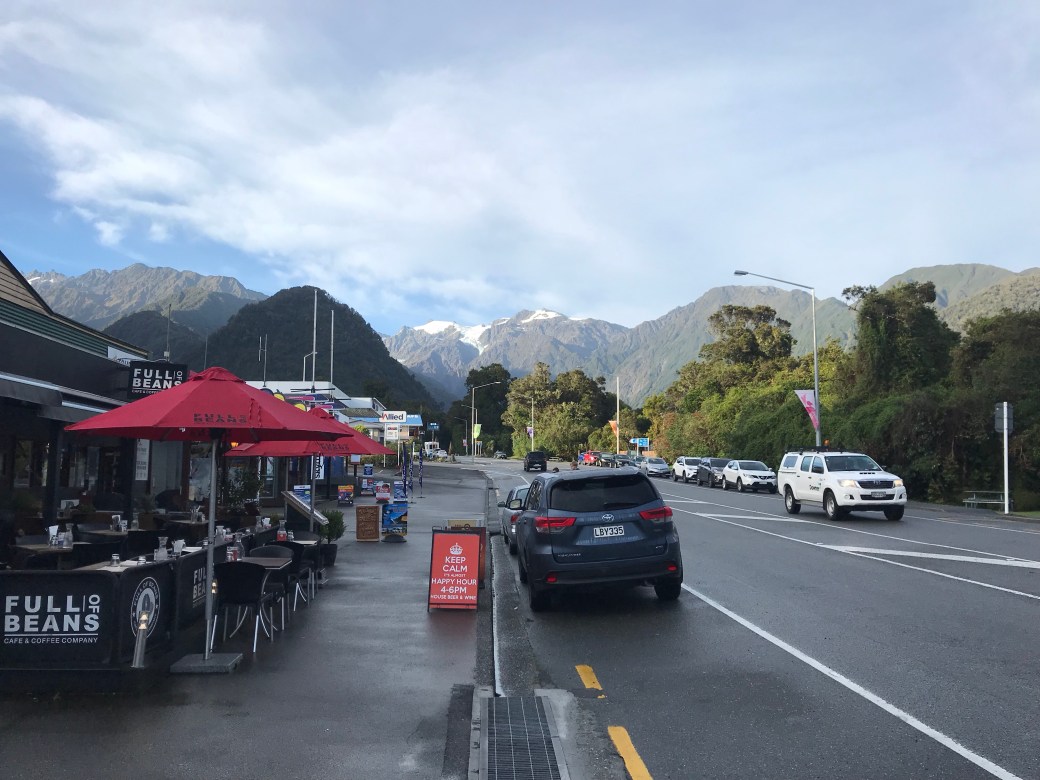
Let’s just say after we were done, we got our fill of hiking for a short while. However, it was worth it.

img_1293-1

Behind those smiles were tired and sweaty existences. Moreover, the thought of the pending doom of our trek back down lingered heavily on our minds while we were up there.

The timely and arduous trail didn’t give us much time to drive up to Greymouth for a nice anniversary dinner.

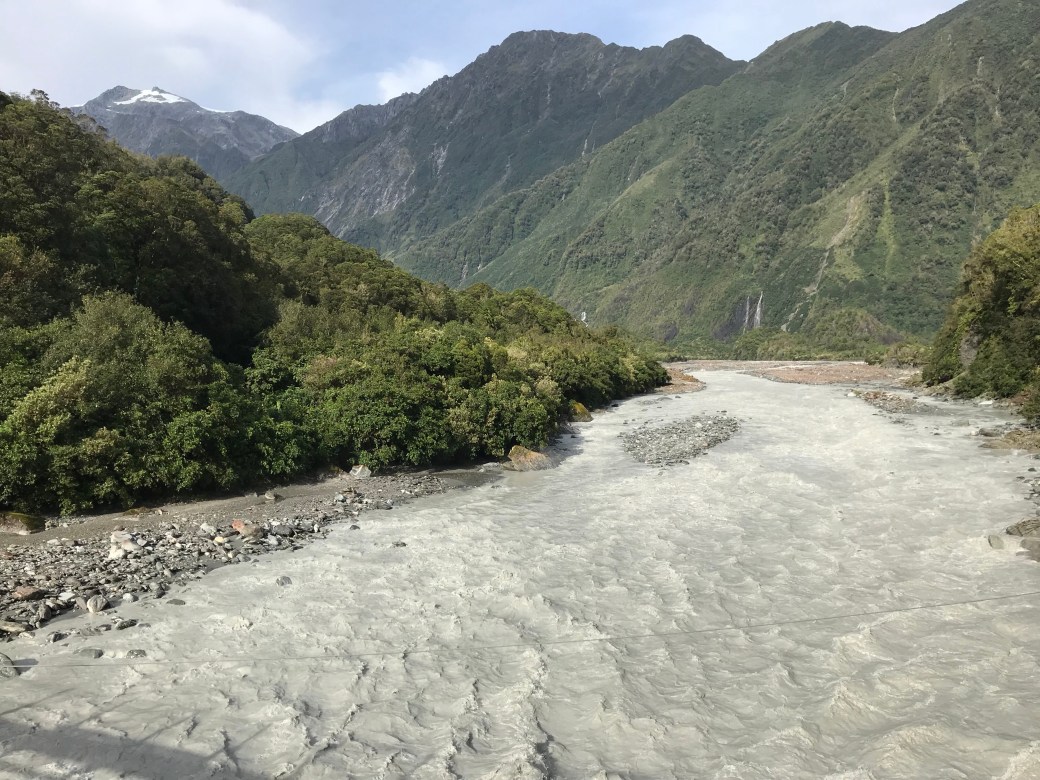
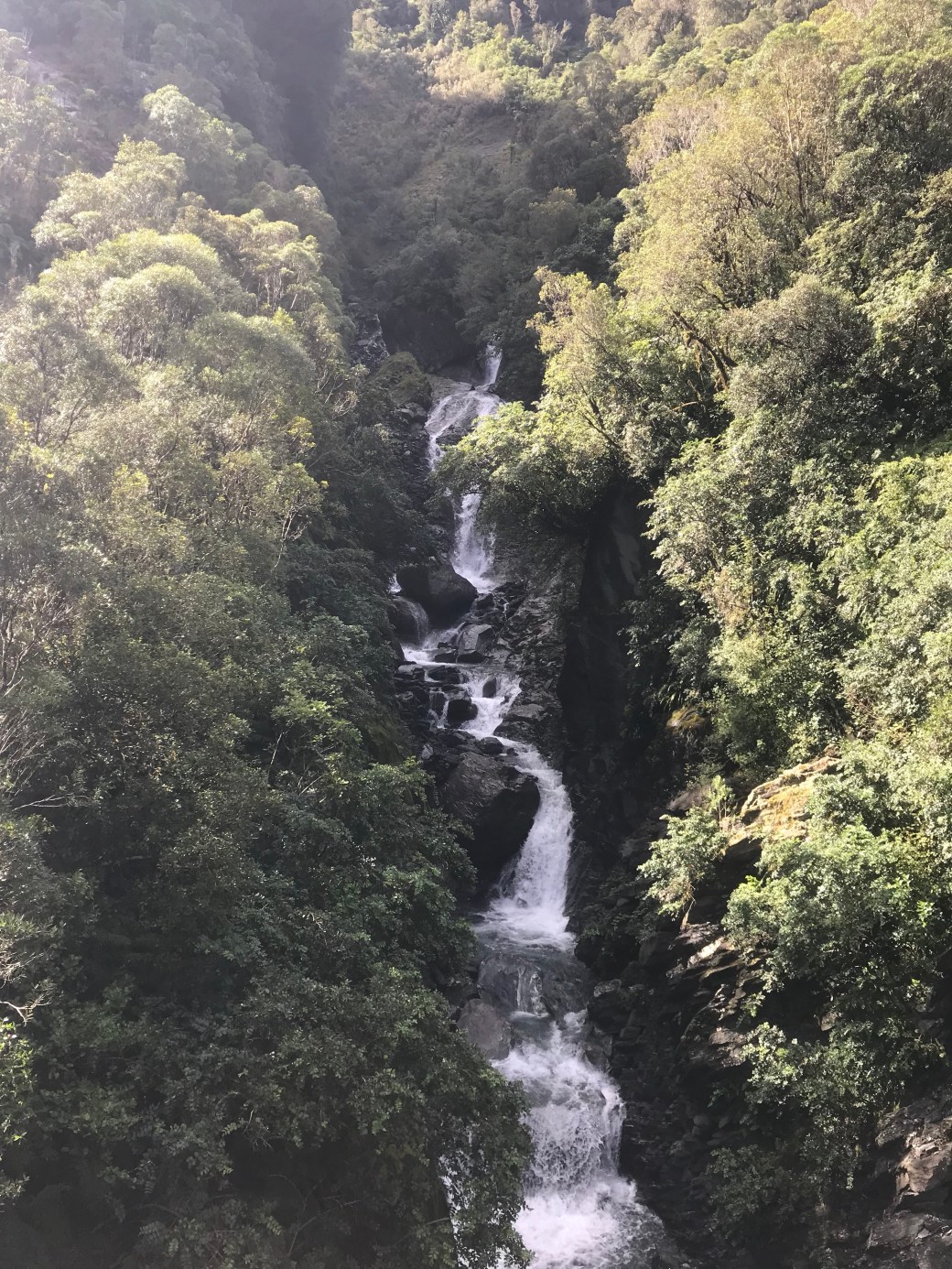
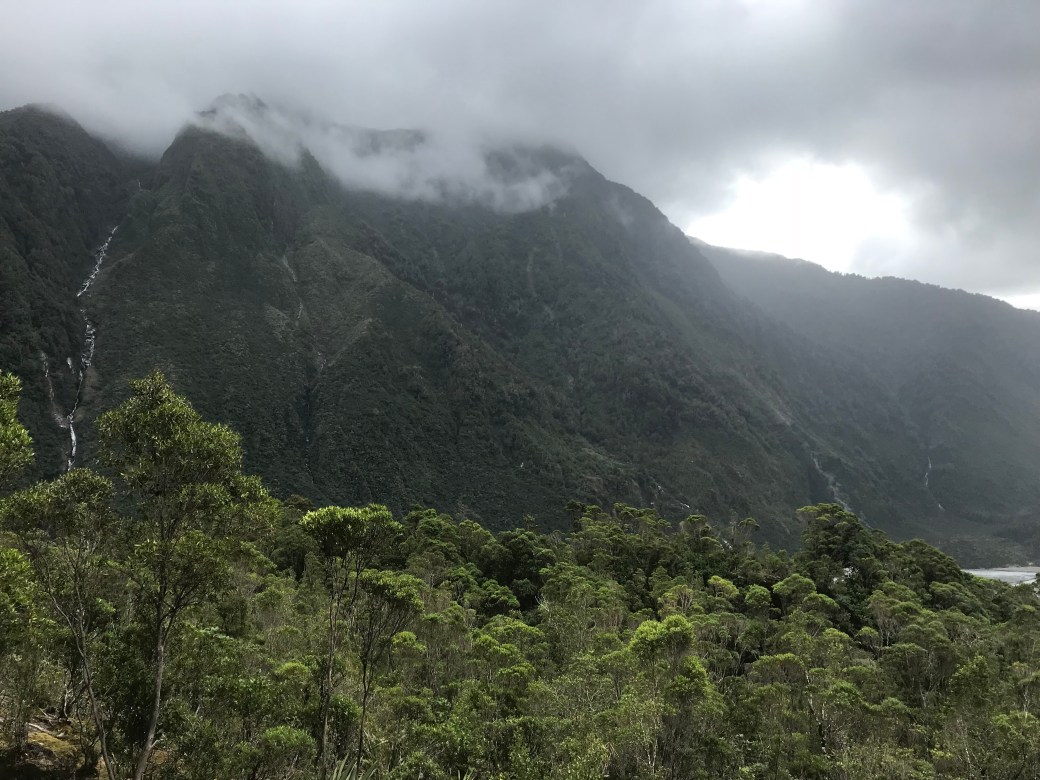
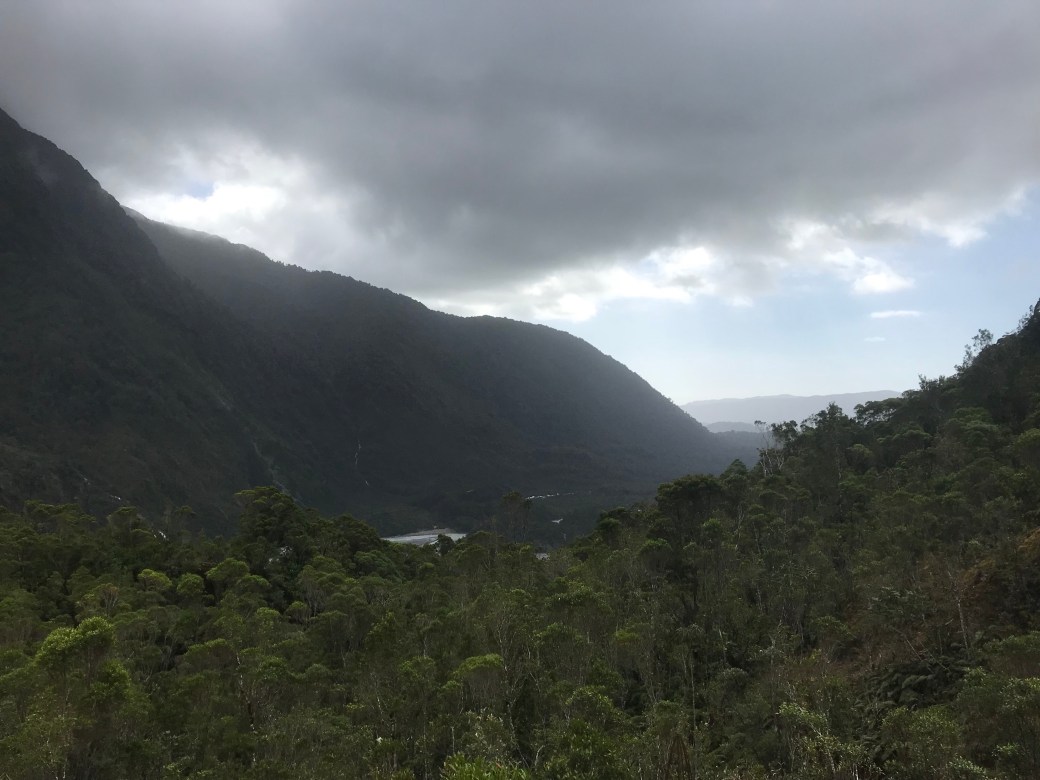
We got some amazing shots on the drive north on west coast north of Franz Josef towards Greymouth.

So, we did what we could. As a result, we had a romantic dinner in our accommodation which was two pizzas from dominoes and water. That meal oozed with intimacy and romanticism as we ate 5 dollar pizzas on the cardboard it came in.
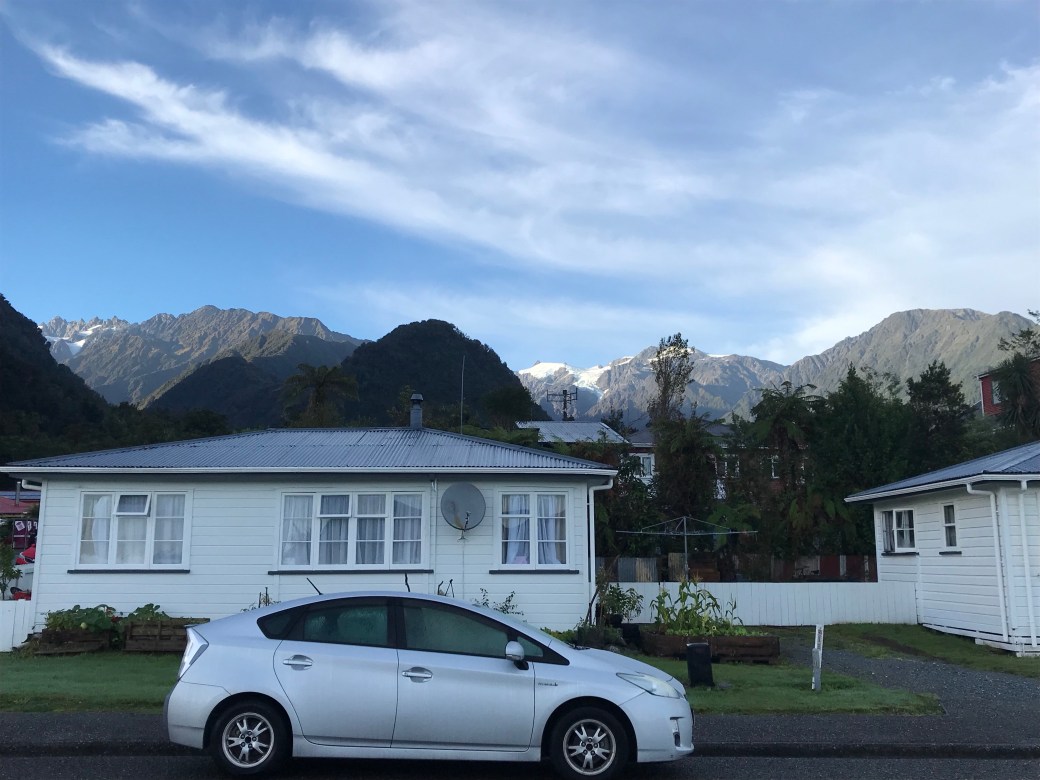
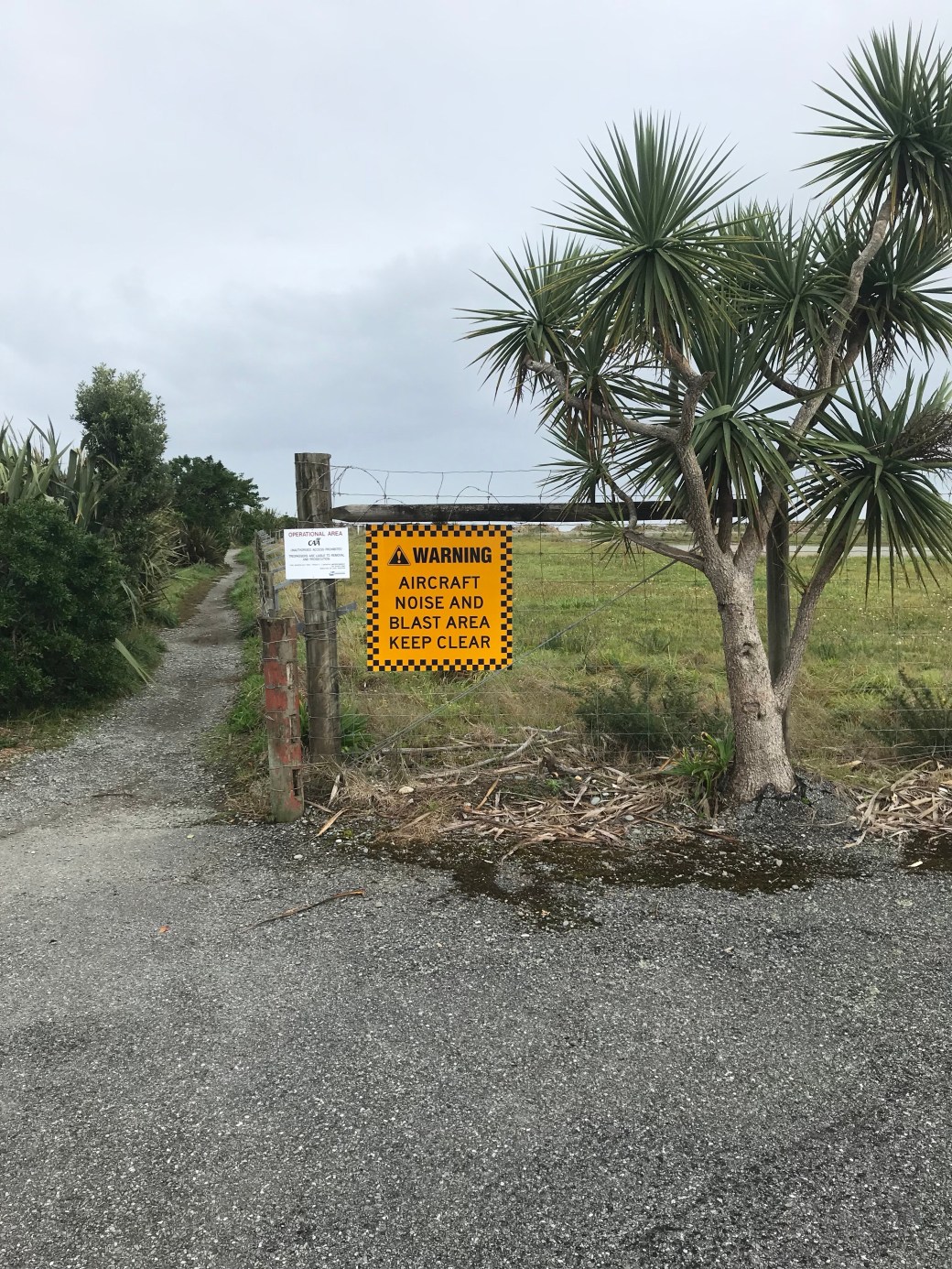
But it was nice to calm down after a lot walking (including some actual climbing) and some driving and just laugh at our inherent ability to ignore the warning signs then show a funny and blinded faith in our ability. Case in point for our grueling hike up a mountain because we didn’t want to be defeated and to retreat plus we had the desire to get a great view of a glacier which are not that common outside of Arctic environments.
Lastly, it is just another adventure that continues to forge us together on this journey we are exploring together as a married couple. Love my Sanna Byrd.

Changed Perspective: From the Expat Looking In

Here is a letter I wrote to the editor of my hometown newspaper, The Gainesville Sun. 

I wrote this letter as an expat observing the infancy of the Trump Administration and overall explaining my feelings on America as it is in the global community.

This is my letter below (here is the link of the letter on the newspaper site):

I have had the amazing opportunity to live abroad in multiple countries including my current residence in Australia. If you talk to anybody who has lived outside of the US for a decent period of time, you will notice that person’s American identity has forever been warped and changed. Your viewpoint of the perceived “greatness” of America changes and a brutally honest perspective is formed.

Then again, America’s greatness has always been limited. Ask any minority group.

President Trump is a caricature of the societal norm of the ruthless and heartless Individualistic Capitalism parading as “American Exceptionalism”. If you really look at the history of the US, there are stories of soaring greatness in both achievements and atrocities. However, I am still a proud American and after seeing some of the World, I know America can be truly exceptional if we are willing to change our thinking as a nation.

Michael L. Byrd, Gainesville (Sydney)